
Arrecife
· ES

Arrecife

Arrecife, Canary Islands, Spain

Arrecife: Lanzarote's Vibrant Coastal Gem Forget everything you think you know about sleepy island capitals. Arrecife, nestled on the eastern shore of Lanzarote, pulsates with a unique energy, blending historical charm, …

#Arrecife#Canary Islands#Spain#beach town#tourist destination
1/5

Top hotels & flights

Hand-picked stays and the best fares into Arrecife.

Top Hotels in Arrecife

Top Flights to Arrecife

Practical info

The essentials for planning your time in Arrecife.

Currency
€ | EUR | Euro
Population
The approximate estimated total population of Arrecife, Canary Islands, Spain is 64,000.
Languages
Spanish, Spanish
Average weather
Arrecife
Jan
clear
20°14°
Feb
clear
21°14°
Mar
clear
22°15°
Apr
clear
23°16°
May
sun
24°17°
Jun
sun
26°19°
Jul
sun
28°21°
Aug
hot
29°22°
Sep
sun
28°21°
Oct
clear
26°20°
Nov
clear
24°18°
Dec
clear
21°15°

Local guide

What travelers love, what to watch for, and a deeper read on Arrecife.

What people love

Traveling to Arrecife, located in the Canary Islands, Spain, offers numerous benefits and attractions for visitors. Here are some of the pros of traveling to Arrecife:

  1. Beautiful Beaches: Arrecife is home to stunning beaches with crystal-clear waters and golden sands. Visitors can relax on the beach, swim, snorkel, or engage in water sports like windsurfing and diving.

  2. Cultural Attractions: Arrecife boasts a rich cultural heritage with attractions such as the San Gabriel Castle, the International Museum of Contemporary Art, and the Charco de San Gines, a picturesque lagoon lined with restaurants and cafes.

  3. Shopping and Dining: The city offers a variety of shopping opportunities, from local markets selling fresh produce and crafts to modern shopping centers. Arrecife is also known for its excellent seafood restaurants and tapas bars where visitors can sample delicious Canarian cuisine.

  4. Outdoor Activities: Arrecife's natural surroundings provide ample opportunities for outdoor activities such as hiking, cycling, and exploring volcanic landscapes. The nearby Timanfaya National Park offers breathtaking views of volcanic craters and lava fields.

  5. Climate: The Canary Islands enjoy a mild climate year-round, making Arrecife an ideal destination for those seeking sun and warmth. The pleasant weather allows visitors to enjoy outdoor activities and explore the city comfortably.

Overall, traveling to Arrecife offers a perfect blend of natural beauty, cultural attractions, outdoor activities, and a relaxed atmosphere, making it a great destination for a memorable vacation.

What to know

Some potential cons of traveling to Arrecife in the Canary Islands, Spain, may include:

  1. Weather: Arrecife can experience strong winds, especially during the winter months, which may not be ideal for beach activities or outdoor excursions.

  2. Crowds: Arrecife is a popular tourist destination, so it can get crowded during peak travel seasons. This may lead to longer wait times at attractions, restaurants, and accommodations.

  3. Limited nightlife: While Arrecife offers a few bars and restaurants, it may not have the same vibrant nightlife scene as other popular tourist destinations in the Canary Islands.

  4. Limited public transportation: Public transportation options in Arrecife may be limited compared to larger cities, making it more challenging to explore the area without a rental car.

  5. Language barrier: While many locals in Arrecife may speak English, there could still be some language barriers, particularly in more rural areas or with older residents.

Please note that these cons may vary based on individual preferences and experiences. It's always a good idea to research further and consider your own travel priorities before visiting Arrecife.

Arrecife is the capital city of Lanzarote, one of the Canary Islands, which are part of Spain. Its history is rich, reflecting the broader historical developments of the Canary Islands, a vital link between Europe, Africa, and the Americas.

Early History

Arrecife's origins date back to the early 15th century, when it was a small fishing village. The name "Arrecife" comes from the Spanish word for "reef," indicative of the volcanic reefs that line its coast and protected its first harbor.

15th to 17th Centuries

Lanzarote was the first of the Canary Islands to be conquered by the Spanish in the early 1400s. Arrecife began to develop as a port town, which made it vulnerable to pirate attacks. In response, several defensive structures were built.

  • San Gabriel Castle: Constructed in the 16th century on a small islet, it was initially made of wood but later rebuilt in stone after being destroyed by pirates. It served as a defense against pirate raids and now functions as an archaeological museum.

18th to 19th Centuries

During this period, Arrecife expanded and gained economic importance, eventually overtaking Teguise as the island's capital in 1852. The port's strategic location made it a crucial point for trade, especially in wine and cochineal (a dye produced from insects).

  • San José Castle: Built in the late 18th century, it was intended as a defensive structure and a public works project to provide employment during a period of famine. Today, it houses the International Museum of Contemporary Art.

20th Century

Arrecife continued to grow, driven by agriculture, fishing, and increasingly, tourism. The island's unique volcanic landscape began attracting visitors, boosting the local economy.

  • César Manrique: Perhaps the most influential figure in Lanzarote's modern history, Manrique was an artist and architect whose work significantly shaped the island's development. He advocated for sustainable tourism and helped preserve the island's natural beauty. His influence is evident in numerous structures around Arrecife and Lanzarote, including the creation of cultural centers like the César Manrique Foundation.

Landmarks

  • Charco de San Ginés: A natural saltwater lagoon in the heart of Arrecife, surrounded by picturesque houses and restaurants. It is one of the city's most charming areas and a reminder of its fishing village origins.

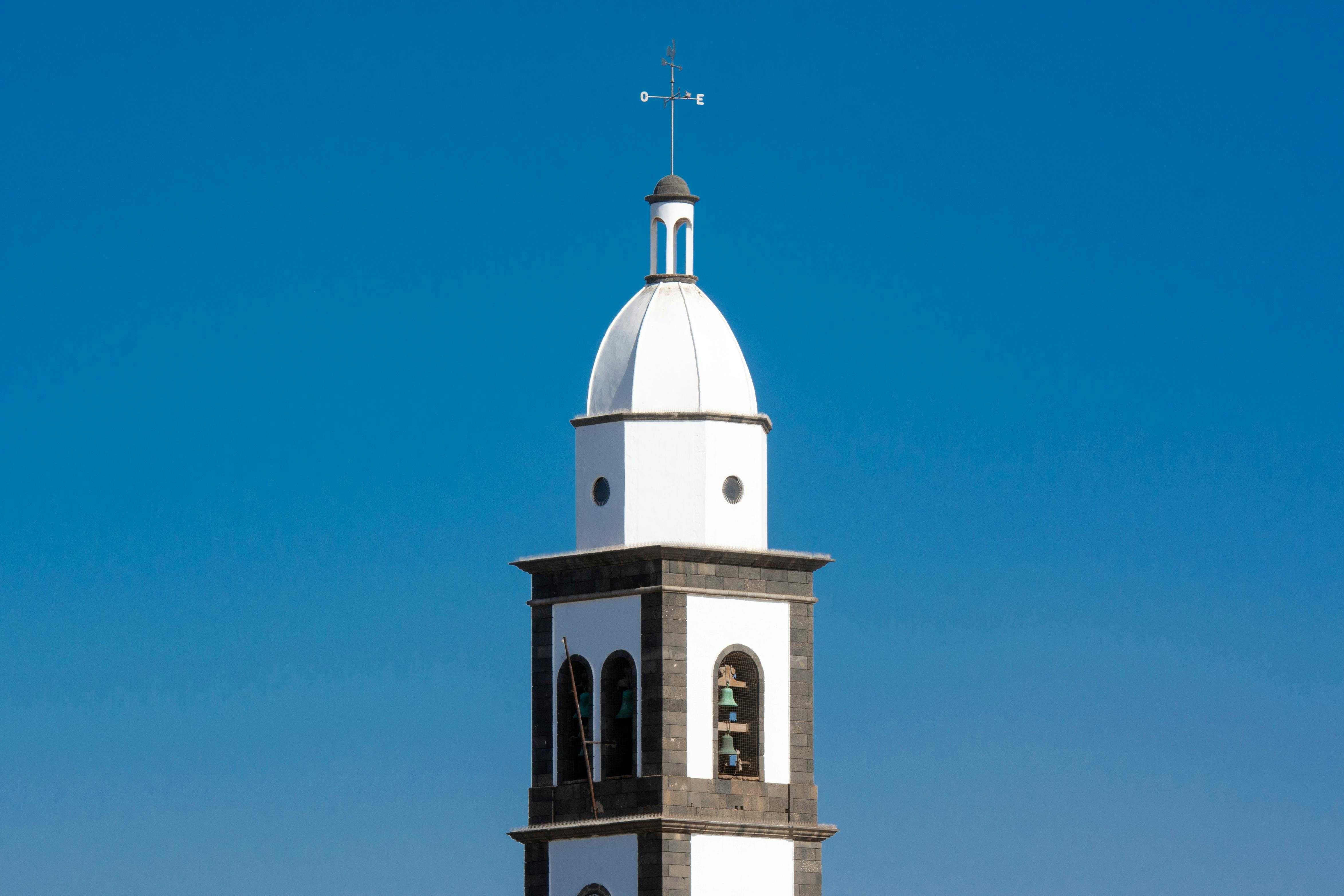
  • Iglesia de San Ginés: This is the main church in Arrecife, originally built in the 17th century and dedicated to Saint Genesius (San Ginés), the city's patron saint.

  • El Reducto Beach: A popular beach in Arrecife, offering a crescent of golden sand and calm waters, it is a central recreational area for both locals and tourists.

Recent Developments

In recent years, Arrecife has continued to develop infrastructure to support tourism, which remains a vital part of the local economy. Efforts have been made to blend modern development with the preservation of the island's natural and historical heritage, following the principles championed by César Manrique.

Arrecife, with its rich history and cultural landmarks, serves as a vibrant example of the Canary Islands' unique blend of natural beauty, history, and cultural heritage.