
Arnhem
· NL

Arnhem

Arnhem, Gelderland, Netherlands

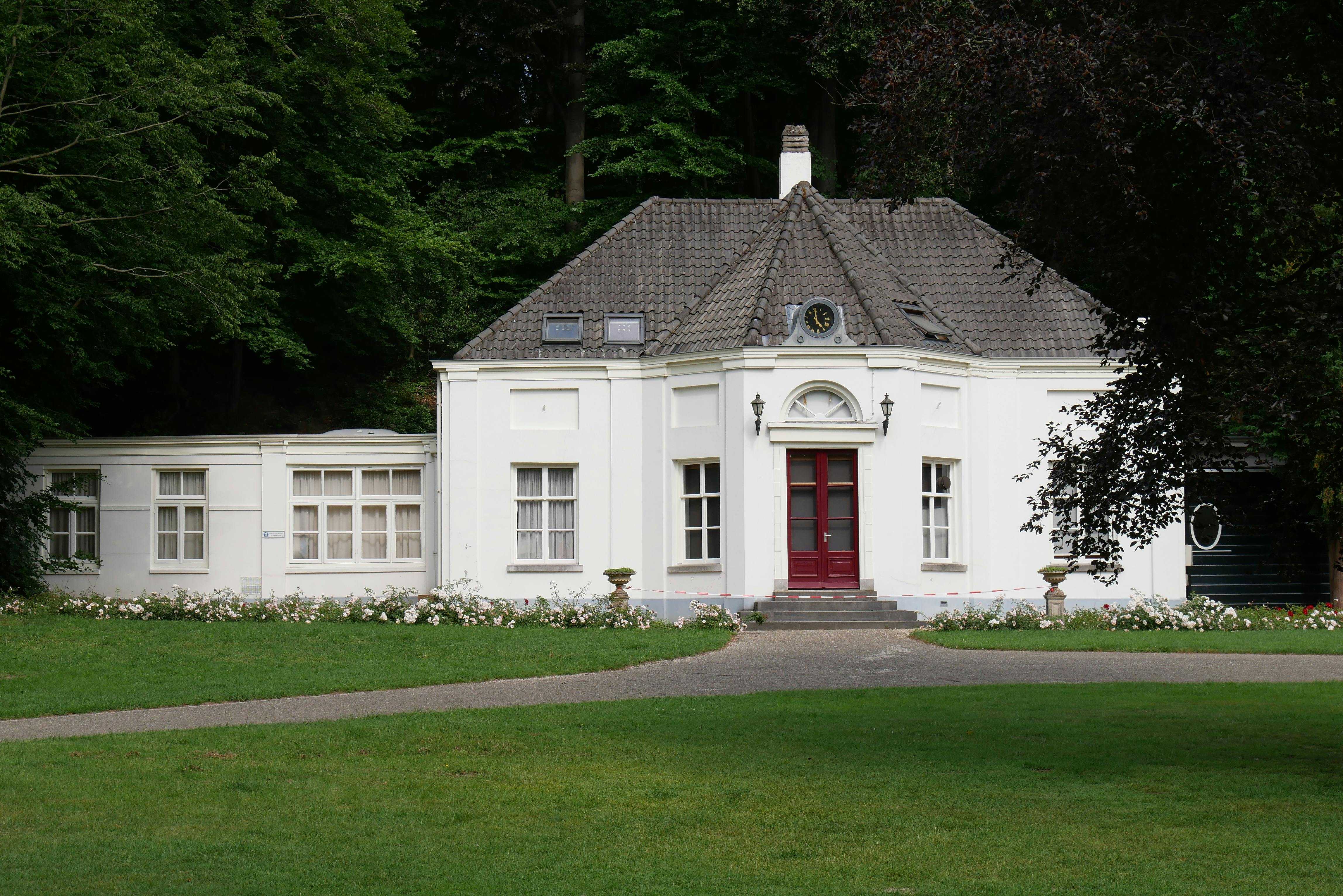
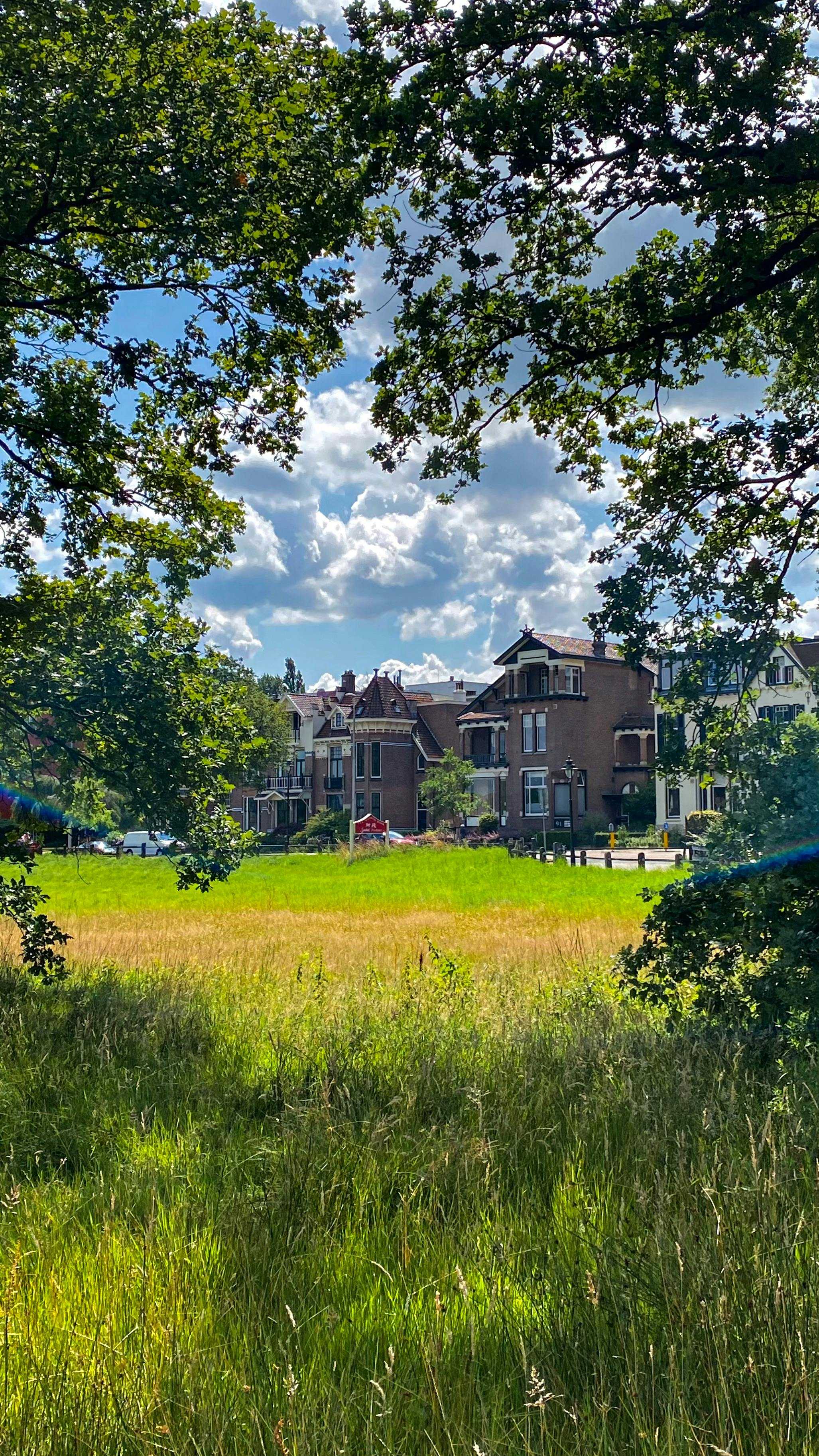
Arnhem: Where History Meets Nature in the Heart of Holland Nestled on the banks of the Rhine River, Arnhem (Gelderland, Netherlands) offers a captivating blend of history, culture, and natural beauty. More than just a ci…

#Historic city#Battle of Arnhem#Gelderland province#Netherlands#Cultural attractions
1/7

Top hotels & flights

Hand-picked stays and the best fares into Arnhem.

Top Hotels in Arnhem

Top Flights to Arnhem

Practical info

The essentials for planning your time in Arnhem.

Currency
€ | EUR | Euro
Population
164096.0
Average weather
Arnhem
Jan
cold
5°0°
Feb
cold
6°0°
Mar
cloud
10°2°
Apr
cloud
14°4°
May
sun
18°8°
Jun
sun
21°11°
Jul
sun
23°13°
Aug
sun
23°13°
Sep
cloud
19°11°
Oct
rain
14°7°
Nov
rain
9°3°
Dec
cold
6°1°

Local guide

What travelers love, what to watch for, and a deeper read on Arnhem.

What people love

Arnhem, located in the province of Gelderland in the Netherlands, offers a unique and diverse travel experience with several pros:

  1. Historical significance: Arnhem is known for its rich history, particularly its role in World War II as the site of the famous Battle of Arnhem. Visitors can explore historical sites such as the Airborne Museum Hartenstein and the John Frost Bridge, gaining insight into the city's wartime past.

  2. Natural beauty: Arnhem is surrounded by stunning natural landscapes, including the Veluwe National Park and the Hoge Veluwe National Park. These areas offer opportunities for hiking, cycling, and wildlife spotting, making it an ideal destination for nature lovers.

  3. Cultural attractions: The city is home to a vibrant arts and cultural scene, with museums, galleries, and theaters showcasing a range of artistic expressions. Visitors can explore the Kröller-Müller Museum, known for its extensive collection of Van Gogh paintings, and the Netherlands Open Air Museum, which offers a glimpse into Dutch history and culture.

  4. Shopping and dining: Arnhem boasts a variety of shops, boutiques, and markets, making it a great destination for shopping enthusiasts. The city also offers a diverse culinary scene, with numerous restaurants and cafes serving both traditional Dutch cuisine and international dishes.

  5. Accessibility: Arnhem is well-connected by public transportation, with a central train station providing easy access to other cities in the Netherlands and Europe. The city is also bike-friendly, making it convenient for visitors to explore its attractions on two wheels.

Overall, traveling to Arnhem offers a combination of history, nature, culture, and convenience, making it a compelling destination for a memorable vacation.

What to know

Traveling to Arnhem, Gelderland, Netherlands, may have some cons that travelers should be aware of:

  1. Weather: Arnhem experiences typical Dutch weather, which can be unpredictable and rainy, especially during the fall and winter months. Travelers should be prepared for varying weather conditions.

  2. Crowds: Arnhem is a popular tourist destination, especially during the summer months. This can lead to crowded attractions and long lines at popular sites.

  3. Language barrier: While many people in Arnhem speak English, some locals may only speak Dutch. Travelers who do not speak Dutch may encounter communication challenges in certain situations.

  4. Cost of living: The cost of living in the Netherlands, including Arnhem, can be relatively high compared to other European countries. Travelers should budget accordingly for accommodations, dining, and activities.

  5. Transportation: While Arnhem has a well-developed public transportation system, travelers should be aware that they may encounter delays or disruptions, especially during peak travel times.

Overall, while Arnhem is a beautiful and historic city to visit, travelers should be prepared for potential challenges such as weather, crowds, language barriers, cost of living, and transportation issues.

Arnhem is a city located in the eastern part of the Netherlands and serves as the capital of the province of Gelderland. The history of Arnhem spans many centuries, marked by various significant events and developments.

Early History

Arnhem's origins date back to the early Middle Ages. It was first mentioned in 893 as "Arneym" or "Arentheym." The name likely derives from the combination of the words "Arn" (eagle) and "Heem" (home), suggesting a place where eagles lived. By the 13th century, Arnhem had developed into a fortified town and received city rights in 1233 from Count Otto II of Gelre.

The Middle Ages and Renaissance

During the Middle Ages, Arnhem was a member of the Hanseatic League, which was a powerful economic and defensive alliance of merchant guilds and market towns in Northwestern and Central Europe. This affiliation brought economic prosperity and growth to the city.

17th and 18th Centuries

In the 17th century, Arnhem continued to grow and became known for its wool trade and small industries. However, like much of Europe, Arnhem experienced various military conflicts during this time, including the Eighty Years' War and other regional conflicts.

The 19th Century

The 19th century saw Arnhem's transformation into a more modern city with the advent of industrialization. The arrival of the railway in 1845 significantly boosted its development. Arnhem became known for its picturesque landscapes and was a popular destination for artists and writers.

World War II and the Battle of Arnhem

Arnhem is perhaps most famously known for the Battle of Arnhem during World War II. Part of Operation Market Garden in September 1944, this battle was an Allied attempt to capture key bridges across the Rhine River to enable a rapid advance into northern Germany. British and Polish paratroopers were tasked with capturing the bridge at Arnhem, but the operation faced intense resistance from German forces. The battle lasted from September 17 to 25, 1944, and ended in a significant defeat for the Allies, famously depicted in the book and film "A Bridge Too Far." The city was heavily damaged during the battle.

Post-War Reconstruction and Modern Era

After World War II, Arnhem underwent extensive reconstruction. The city has since developed into a modern urban area while preserving its historical heritage. It is known for its green parks, such as Sonsbeek Park, and cultural institutions like the Museum Arnhem and the Netherlands Open Air Museum.

Notable Landmarks

  • John Frost Bridge: Named after Major-General John Dutton Frost, who led the British forces in the Battle of Arnhem. The bridge is a central historical landmark.
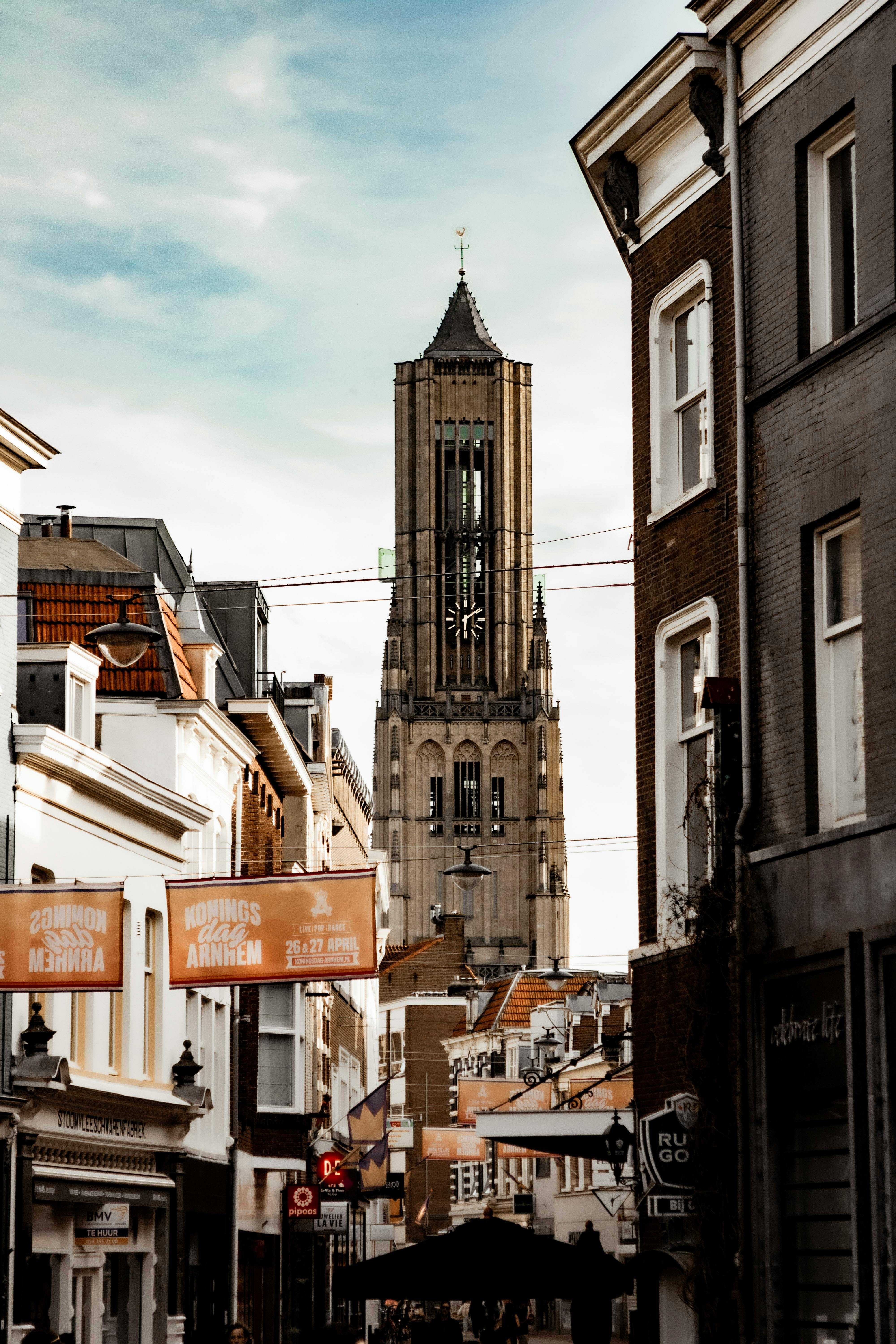
  • Eusebius Church: This Gothic-style church is one of the most prominent buildings in Arnhem and has been restored multiple times throughout its history.
  • Burgers' Zoo: One of the largest and most popular zoos in the Netherlands, known for its innovative approach to natural habitats.

Notable Figures

  • Hendrik Antoon Lorentz: A Nobel Prize-winning physicist born in Arnhem, known for his work on electromagnetism and the theory of relativity.
  • Louwrens Penning: A well-known Dutch author born in Arnhem, famous for his books set in South Africa.

Arnhem today is a vibrant city with a blend of historical significance and modern amenities, making it an important cultural and economic hub in the Netherlands.