Fort Drouet
Explore the historical ruins of Fort Drouet, offering panoramic views of the surrounding mountains and sea.
Hand-picked stays and the best fares into Arcahaie.
Tours, tickets and experiences travelers book most in Arcahaie.
Explore the historical ruins of Fort Drouet, offering panoramic views of the surrounding mountains and sea.
Visit the renowned National History Park with significant historical landmarks and beautiful natural surroundings.
Experience the vibrant local market, where you can purchase fresh produce, handicrafts, and more.
Relax and enjoy a day at one of Arcahaie's beautiful beaches with clear blue waters.
Explore the challenging trails of Chaine des Matheux for breathtaking views and nature photography.
Real reels from travelers, plus longer watches to get the full picture.
The essentials for planning your time in Arcahaie.
What travelers love, what to watch for, and a deeper read on Arcahaie.
Arcahaie, located in the Ouest department of Haiti, offers a unique travel experience with its rich history, culture, and natural beauty. Here are some pros of traveling to Arcahaie:
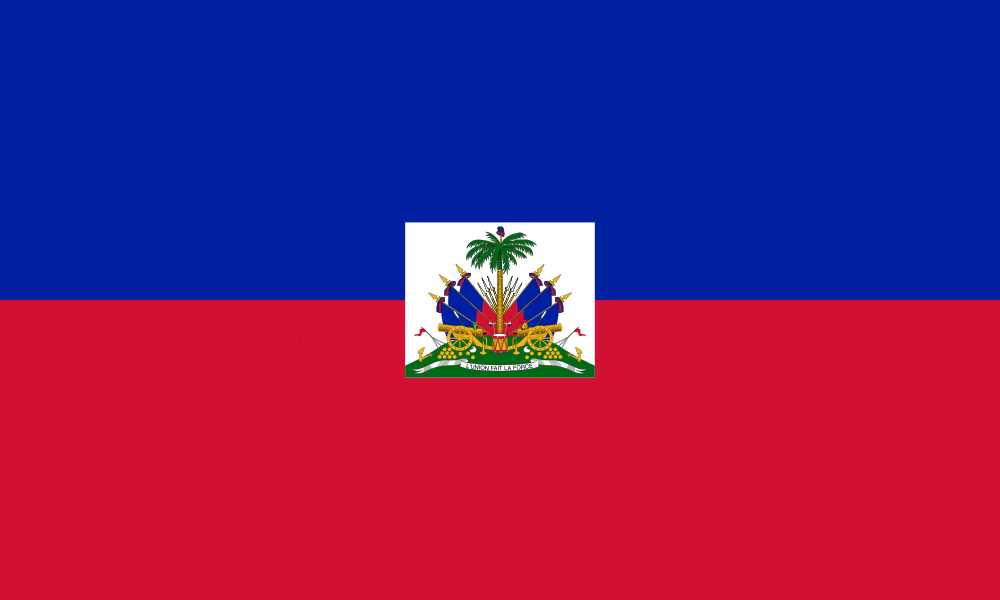
Historical Significance: Arcahaie is known as the birthplace of Haitian independence, as it was the site of the ceremony where the Haitian flag was first raised in 1803. History enthusiasts will appreciate the significance of this town in Haiti's past.
Cultural Heritage: Arcahaie is home to a mix of African, French, and indigenous Taino influences, creating a vibrant cultural scene. Visitors can explore local art, music, dance, and traditional cuisine, providing a deep dive into Haitian culture.
Beautiful Beaches: Arcahaie boasts stunning beaches along the Caribbean coast, offering opportunities for relaxation, water activities, and enjoying picturesque sunsets. Visitors can unwind on the sandy shores and explore the crystal-clear waters.
Authentic Local Experience: Arcahaie provides an authentic glimpse into rural Haitian life, allowing travelers to interact with friendly locals, visit markets, and witness traditional craftsmanship like pottery and weaving. Immersing in the local lifestyle can be a rewarding experience.
Scenic Landscapes: The surrounding region of Arcahaie features lush greenery, mountains, and rivers, making it a paradise for nature lovers. Hiking, birdwatching, and exploring the diverse landscapes can offer a refreshing escape from city life.
Overall, traveling to Arcahaie can offer a blend of history, culture, nature, and local experiences that can enrich your understanding of Haiti and create lasting memories.
Traveling to Arcahaie, like many other locations, can come with certain challenges. Here are some potential cons to consider when planning a trip there:
Infrastructure Challenges: Arcahaie, like many parts of Haiti, may have underdeveloped infrastructure. This can include roads that are in poor condition, limited public transportation options, and inconsistent utilities such as water and electricity.
Safety Concerns: Haiti has experienced political instability and civil unrest in recent years. Travelers should be aware of the current political situation and any travel advisories issued by their home country's government. Petty crime, such as theft, can also be a concern in some areas.
Healthcare Facilities: Access to healthcare in Arcahaie may be limited. Hospitals and clinics may not be well-equipped, and finding medical care for serious conditions could require travel to larger cities.
Language Barrier: Haitian Creole and French are the main languages spoken in Haiti. Travelers who do not speak these languages might face communication difficulties.
Limited Tourist Facilities: Arcahaie may not have a wide range of tourist facilities such as hotels, restaurants, or entertainment options compared to more developed tourist destinations.
Weather Conditions: Haiti is in the Caribbean hurricane belt, and the region can be affected by tropical storms and hurricanes, particularly during the hurricane season from June to November.
Cultural Sensitivity: As with any destination, it is important for travelers to be culturally sensitive and aware of local customs and traditions, which might be different from what they are accustomed to.
Travelers should conduct thorough research and consider these factors when planning a visit to Arcahaie. It is also advisable to check for any travel advisories and seek local advice upon arrival.

