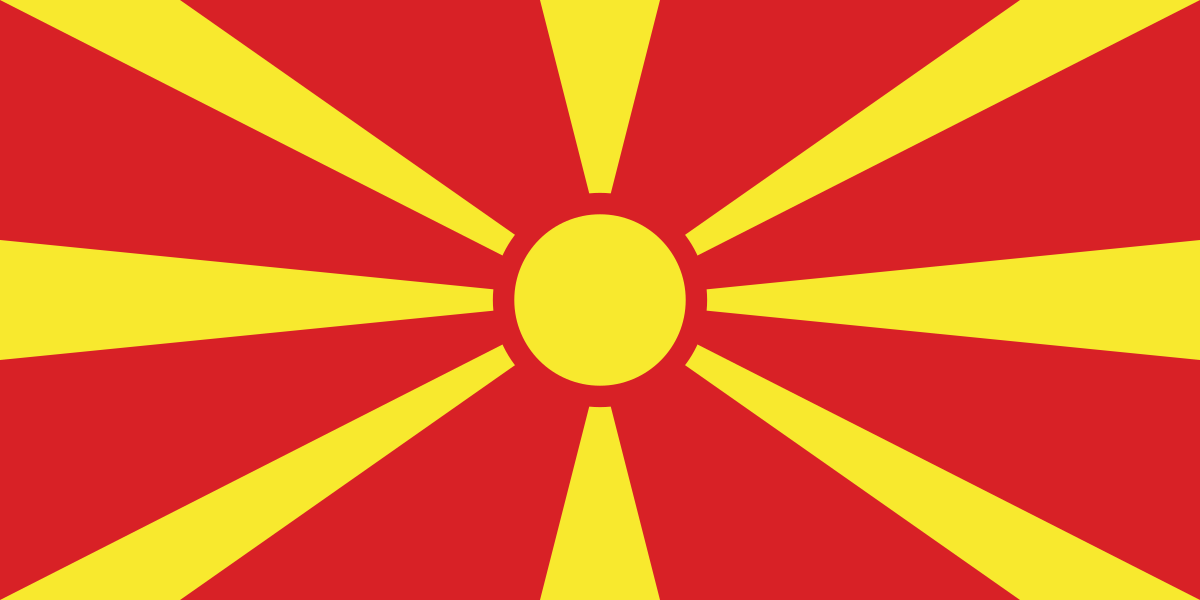
Aračinovo is a village located in North Macedonia, situated near the capital city of Skopje. It is part of the Aračinovo Municipality. The village is known for its diverse ethnic composition, primarily consisting of ethnic Albanians. The history of Aračinovo is closely tied to the broader historical developments in the region of North Macedonia and the Balkans.
Historical Background
-
Ottoman Period: Like much of the Balkans, Aračinovo was under Ottoman rule for several centuries. During this period, the area experienced significant cultural and demographic changes, including the spread of Islam.
-
Yugoslav Era: After World War II, Aračinovo became part of the Socialist Federal Republic of Yugoslavia. During this time, the village and its surrounding areas underwent various social and economic changes as the Yugoslav government implemented socialist policies.
-
Independence of Macedonia: Following the breakup of Yugoslavia in the early 1990s, Macedonia declared independence in 1991. Aračinovo became part of the newly independent Republic of Macedonia (now North Macedonia).
Significant Events
- 2001 Insurgency: Aračinovo gained international attention during the 2001 insurgency in Macedonia. The village was a stronghold for ethnic Albanian rebels, and it became a focal point of conflict between the National Liberation Army (NLA) and Macedonian government forces. The standoff in Aračinovo was one of the most intense during the conflict, and it ended with a negotiated withdrawal of the NLA fighters, aided by NATO forces.
Important Landmarks
-
Local Mosque: Aračinovo is home to a significant mosque that serves as a religious and cultural center for the local Muslim community. The mosque is also a reflection of the village's Ottoman heritage.
-
Cultural and Community Centers: Various cultural centers in Aračinovo serve as hubs for community activities and events, reflecting the village's rich cultural diversity.
Notable Figures
While Aračinovo may not be widely known for producing nationally or internationally recognized historical figures, its residents have played important roles in local politics and community leadership.
Current Context
Today, Aračinovo is a vibrant community that continues to reflect the ethnic and cultural diversity of North Macedonia. The village, like many in the region, faces challenges related to economic development and integration but also benefits from its proximity to Skopje.
Conclusion
Aračinovo's history is emblematic of the broader historical currents that have shaped North Macedonia and the Balkans. Its significance during the 2001 conflict is a notable chapter in its history, and the village continues to be an important part of the country's cultural and social landscape.