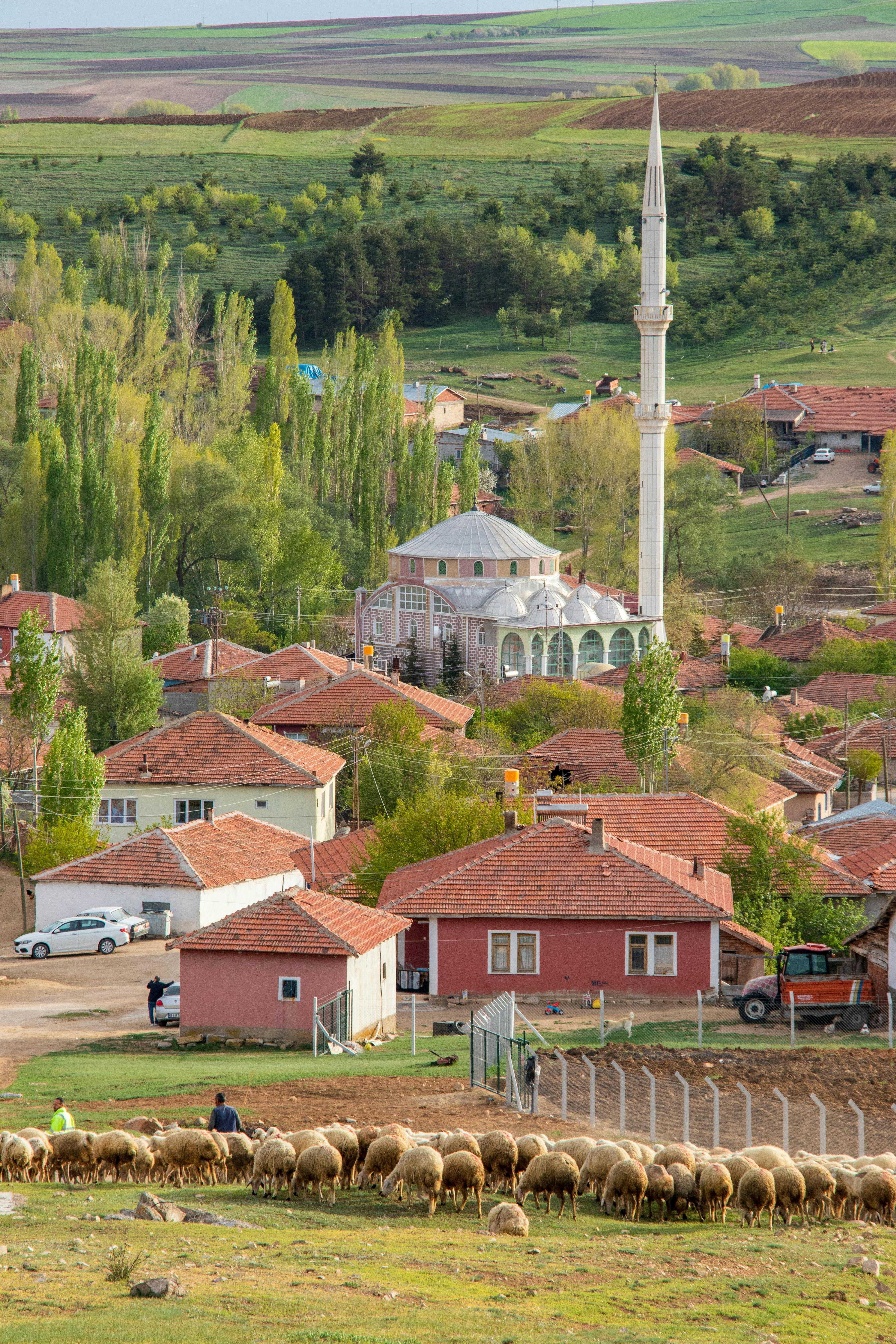

Aqköl
· KZ

Aqköl

Aqkol, Aqmola, Kazakhstan

Aqköl, located in the Aqmola region of Kazakhstan, is a hidden gem waiting to be discovered by adventurous travelers. This charming town offers a unique blend of natural beauty, cultural heritage, and a peaceful atmosphe…

#Aqköl#Aqmola#Kazakhstan#Lake#Nature Reserve
1/3

Top hotels & flights

Hand-picked stays and the best fares into Aqköl.

Top Hotels in Aqköl

Top Flights to Aqköl

Location videos

Real reels from travelers, plus longer watches to get the full picture.

From travelers

Practical info

The essentials for planning your time in Aqköl.

Currency
₸ | KZT | Kazakhstani tenge
Population
Not Available
Languages
Kazakh, Russian, Kazakh
Average weather
Aqköl
Jan
snow
-10°-18°
Feb
snow
-8°-16°
Mar
cold
-1°-10°
Apr
cloud
10°0°
May
clear
20°8°
Jun
sun
26°14°
Jul
hot
29°17°
Aug
hot
28°16°
Sep
clear
21°10°
Oct
cloud
12°3°
Nov
cold
1°-8°
Dec
snow
-7°-15°

Local guide

What travelers love, what to watch for, and a deeper read on Aqköl.

What people love

Information not available.

What to know

Information not available.

Aqköl is a town located in the Aqmola Region of Kazakhstan. While it may not be one of the most prominent cities in the country, it has a history and significance that ties into the broader development of the region.

  1. Establishment and Early History:

    • Aqköl was established in the late 19th or early 20th century. The establishment of settlements like Aqköl was part of the broader Russian expansion and settlement into the areas that are now northern and central Kazakhstan.
    • During this period, the Trans-Siberian Railway and its branches played a significant role in the development of towns across the Kazakh steppes, facilitating the movement of people and goods.
  2. Soviet Era:

    • During the Soviet period, Aqköl, like many towns in Kazakhstan, was influenced by Soviet policies, including collectivization and industrialization.
    • The town likely served as an agricultural hub, with collective farms (kolkhozes) and state farms (sovkhozes) being prominent during this time.
    • The Soviet influence would also have been seen in the architecture, education, and cultural institutions established in the town.
  3. Post-Soviet Period:

    • Following the dissolution of the Soviet Union in 1991, Aqköl became part of the newly independent Republic of Kazakhstan.
    • The post-Soviet period has seen various changes as Kazakhstan has developed its own national identity and economy. Aqköl, as part of the Aqmola Region, has been influenced by these national trends.
  4. Significant Events and Figures:

    • Specific significant events or historical figures directly associated with Aqköl are not widely documented in available sources. The town's history is more likely intertwined with regional events and developments in the Aqmola Region and Kazakhstan as a whole.
  5. Landmarks:

    • Aqköl, like many towns in Kazakhstan, might have Soviet-era buildings and monuments that reflect its past.
    • Any landmarks would typically be tied to local culture and history, but specific prominent landmarks in Aqköl are not well-documented in available resources.

Given the limited information, Aqköl is primarily a small town with a history that reflects broader regional and national trends in Kazakhstan. For more detailed information, local historical archives or regional studies would be necessary to uncover a deeper account of Aqköl's history and development.