





Aosta
· IT

Aosta

Aosta, Valle d’Aosta, Italy

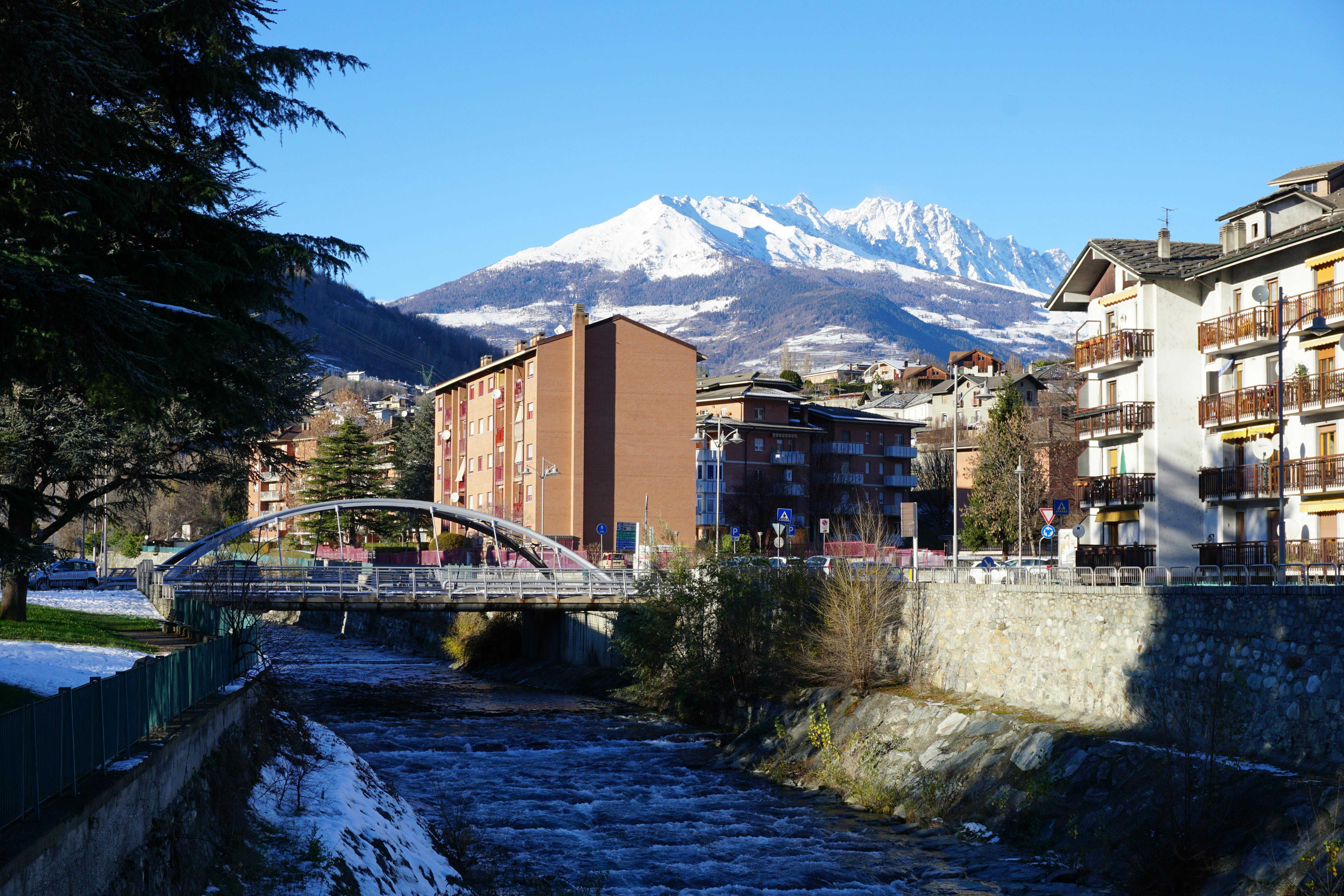
Nestled in the heart of the Italian Alps, Aosta is a charming town located in the Valle d’Aosta region of Italy. Steeped in history and surrounded by breathtaking mountain scenery, Aosta offers a unique blend of ancient …

#mountains#skiing#Roman ruins#historic town#Italian cuisine
1/18

Top hotels & flights

Hand-picked stays and the best fares into Aosta.

Top Hotels in Aosta

Top Flights to Aosta

Location videos

Real reels from travelers, plus longer watches to get the full picture.

From travelers

Practical info

The essentials for planning your time in Aosta.

Currency
€ | EUR | Euro
Population
Information not available.
Languages
Italian, French, Franco-Provençal
Average weather
Aosta
Jan
snow
4°-3°
Feb
snow
6°-2°
Mar
cloud
10°0°
Apr
rain
14°3°
May
rain
19°7°
Jun
sun
23°11°
Jul
sun
26°13°
Aug
sun
25°13°
Sep
cloud
21°10°
Oct
rain
15°6°
Nov
cloud
9°1°
Dec
snow
5°-2°

Local guide

What travelers love, what to watch for, and a deeper read on Aosta.

What people love

Aosta, located in the Aosta Valley region of Italy, offers a unique travel experience with its rich history, stunning natural landscapes, and charming alpine villages. Here are some pros of traveling to Aosta:

  1. Historical and Cultural Sites: Aosta is known for its well-preserved Roman ruins, including the Arch of Augustus, Roman Theater, and ancient city walls. History enthusiasts will appreciate exploring these archaeological sites.

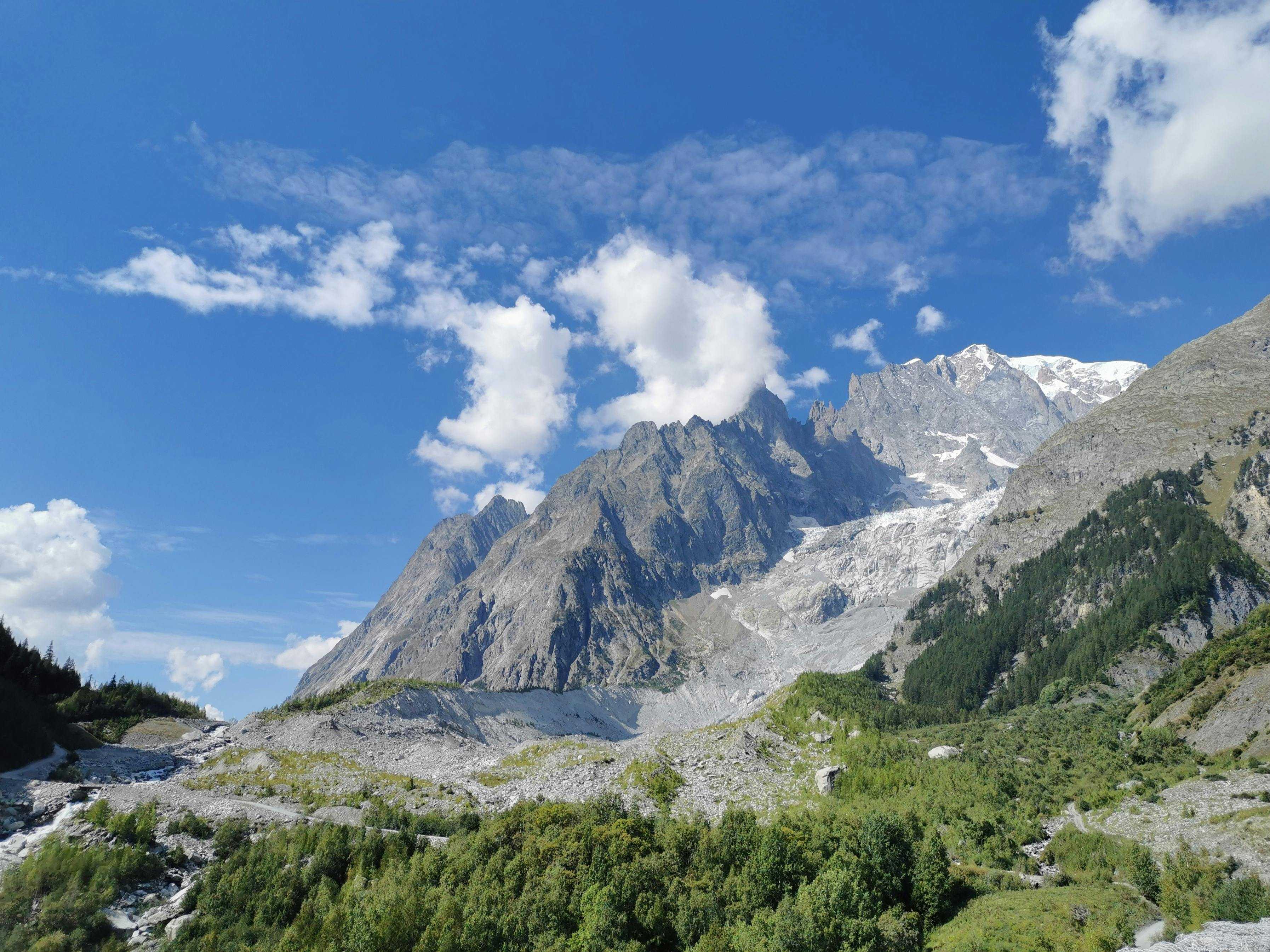
  2. Scenic Beauty: Surrounded by the majestic Alps, Aosta boasts breathtaking mountain views and opportunities for outdoor activities such as hiking, skiing, and snowboarding. The region is also home to picturesque valleys, rivers, and forests.

  3. Culinary Delights: Aosta is renowned for its delicious cuisine, featuring local specialties such as Fontina cheese, cured meats, and hearty dishes like carbonade (beef stew) and polenta. Visitors can enjoy authentic Italian dining experiences in cozy trattorias and restaurants.

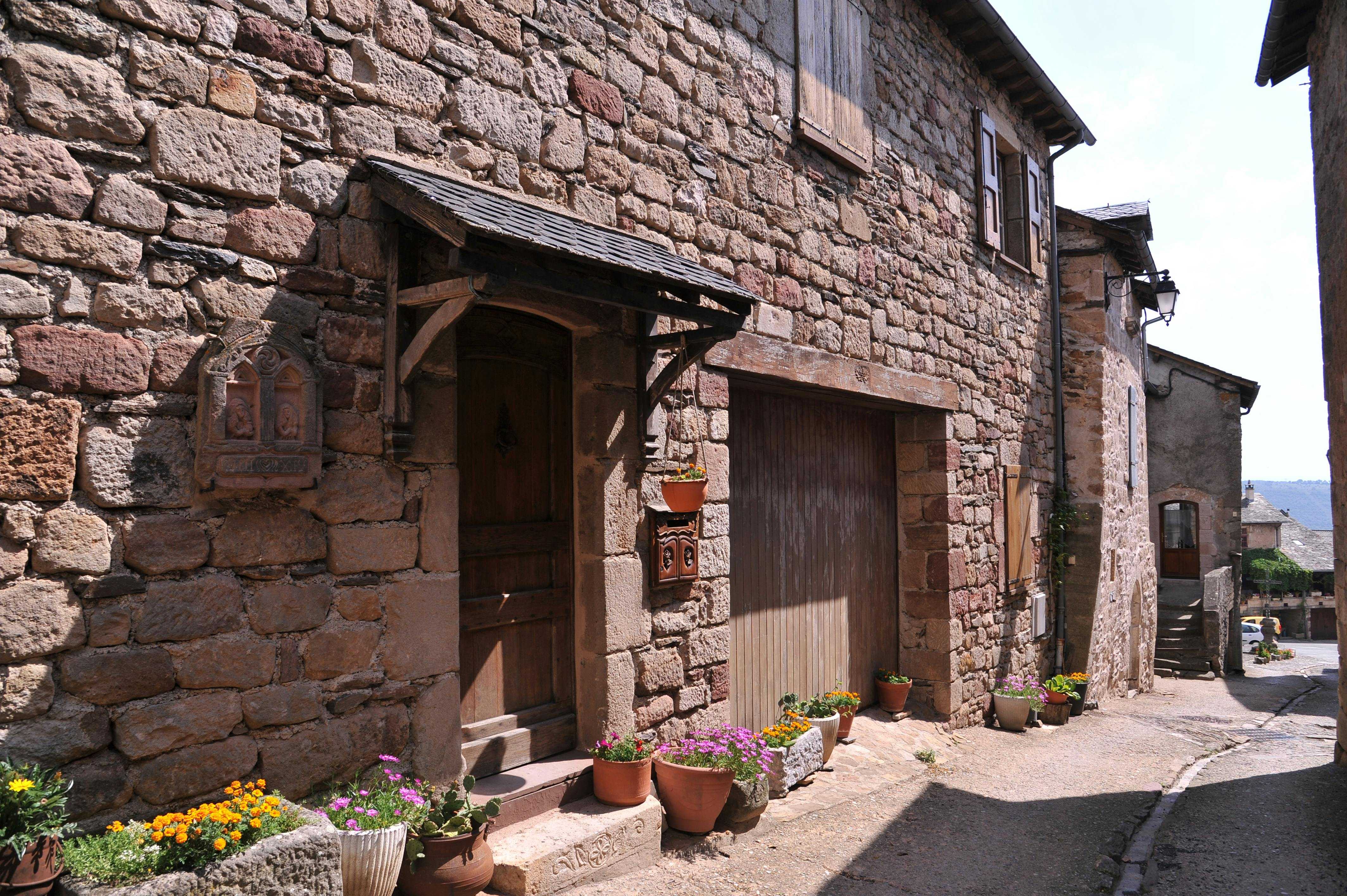
  4. Quaint Villages: The Aosta Valley is dotted with charming villages and towns, each offering a glimpse into traditional alpine life. Visitors can wander through cobblestone streets, visit historic churches, and interact with friendly locals.

  5. Outdoor Recreation: Aosta is a paradise for outdoor enthusiasts, with opportunities for skiing, snowshoeing, mountaineering, and biking. The region's natural beauty provides a stunning backdrop for a wide range of activities throughout the year.

Overall, traveling to Aosta offers a blend of history, culture, natural beauty, and outdoor adventure, making it a compelling destination for visitors seeking a memorable experience in the Italian Alps.

What to know

Some potential cons of traveling to Aosta in Valle d'Aosta, Italy, could include:

  1. Limited public transportation: Aosta is a smaller city, and public transportation options may be limited compared to larger cities in Italy. This could make it more challenging to get around the area or to nearby attractions without a car.

  2. Weather extremes: Aosta is located in a valley surrounded by mountains, which can lead to extreme weather conditions. Winters can be cold and snowy, while summers can be hot. Travelers may need to be prepared for varying weather conditions depending on the time of year.

  3. Limited nightlife and entertainment options: Aosta is a smaller city with a more laid-back atmosphere, so travelers looking for a vibrant nightlife scene or a wide variety of entertainment options may find the city lacking in this regard.

  4. Language barrier: While many people in Aosta likely speak Italian, the region also has its own regional language, Franco-Provençal. Travelers who do not speak Italian or Franco-Provençal may encounter language barriers when trying to communicate with locals.

  5. Potential overcrowding during peak tourist seasons: As a popular destination for outdoor activities and winter sports, Aosta may experience overcrowding during peak tourist seasons, leading to longer lines at attractions and a more crowded overall experience.

Please note that these potential cons may vary depending on individual preferences and travel priorities.

Aosta is a city located in the Aosta Valley region of northwestern Italy. Its history is rich and varied, reflecting its strategic position as a crossroads in the Alps. Here is a detailed history of Aosta, including significant events, historical figures, and important landmarks:

Ancient History

  • Foundation and Roman Era: Aosta was originally a settlement of the Salassi, a Gallic tribe. In 25 BC, the Romans, under Emperor Augustus, conquered the region and founded the city of Augusta Praetoria Salassorum. It was established as a defensive outpost and later became an important Roman colony. The Roman layout of the city is still visible today, with a grid pattern centered around the main roads, the Cardo and Decumanus Maximus.

  • Roman Landmarks: Many Roman structures remain, including the Arch of Augustus, built in 25 BC to commemorate the Roman victory over the Salassi. The Roman Theatre and the city walls with their towers are also significant remnants from this period.

Medieval Period

  • Christianization: Aosta became an important center for the spread of Christianity in the region. The Cathedral of Santa Maria Assunta, originally built in the 4th century, underwent numerous transformations and stands as a testament to this era.

  • Saint Anselm: One of the most notable figures associated with Aosta is Saint Anselm of Canterbury, born in Aosta in 1033. He became a Benedictine monk, philosopher, and theologian, eventually serving as the Archbishop of Canterbury. His theological works were influential during the Middle Ages.

Renaissance and Early Modern Period

  • Strategic Importance: Aosta's location continued to make it a strategic military and trade center. It was part of the Duchy of Savoy and played a role in various conflicts involving the Savoyard state.

  • Architectural Developments: During this time, the city saw the construction of several notable buildings and the enhancement of its religious structures. The Collegiate Church of Saint Ursus (Collegiata dei Santi Pietro e Orso) is renowned for its cloister and frescoes.

19th and 20th Century

  • Integration into Italy: In the 19th century, Aosta and the Aosta Valley became part of the Kingdom of Italy. The region maintained a degree of cultural and linguistic distinctiveness due to its French-speaking population.

  • World Wars: Aosta, like much of Italy, was affected by both World Wars. Post-World War II, the region gained special autonomous status within Italy, recognizing its unique cultural and linguistic heritage.

Modern Aosta

  • Cultural Heritage: Today, Aosta is celebrated for its historical and cultural heritage. It attracts tourists interested in its Roman ruins, medieval structures, and scenic Alpine setting.

  • Landmarks: In addition to its Roman and medieval landmarks, Aosta hosts several museums, including the Regional Archaeological Museum and the Museum of the Aosta Valley.

Aosta's rich history is evident in its blend of Roman, medieval, and modern influences, making it a fascinating destination for those interested in history and culture.