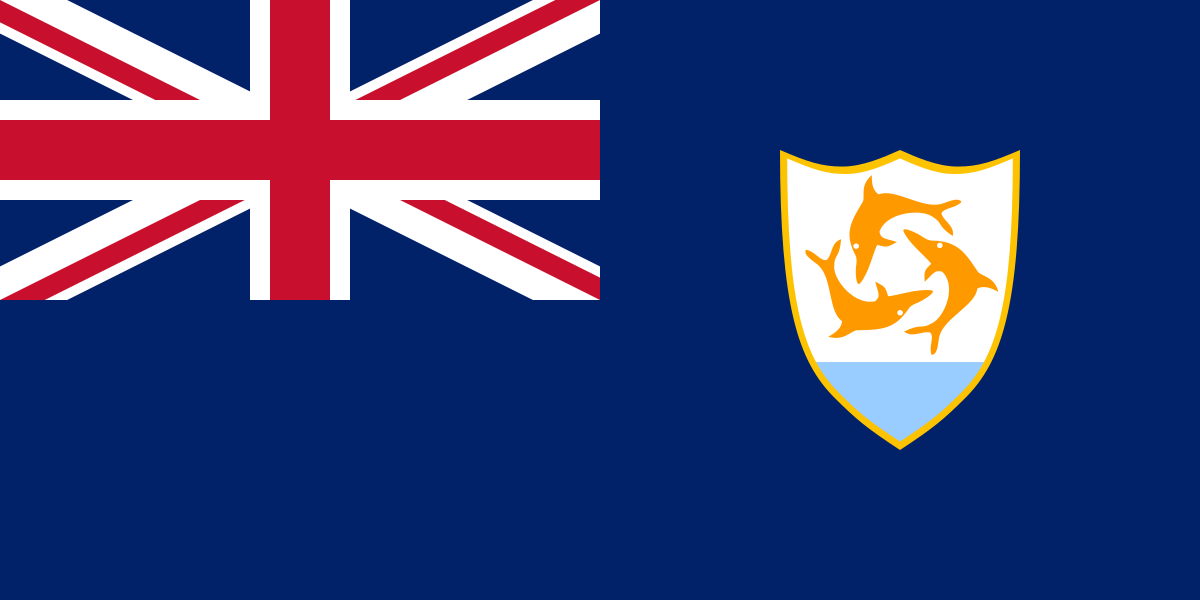
Anguilla
· AI

Anguilla

Anguilla

Nestled in the pristine waters of the Caribbean Sea, Anguilla is a hidden gem waiting to be discovered by discerning travelers seeking a luxurious and tranquil escape. This charming British Overseas Territory boasts stun…

#Caribbean#Beach destination#Luxury travel#Turquoise waters#Island getaway
1/4

Top hotels & flights

Hand-picked stays and the best fares into Anguilla.

Top Hotels in The Valley

Top Flights to The Valley

Popular activities

Tours, tickets and experiences travelers book most in Anguilla.

Tours

Explore Shoal Bay Beach

A stunning stretch of white sand beach ideal for relaxation, swimming, and snorkeling.

Visit the Heritage Collection Museum

Discover the rich history and culture of Anguilla through various exhibits and artifacts.

Visit Anguilla's Art Galleries

Explore local art and culture through a tour of Anguilla's renowned art galleries.

Island Harbour Fishing Village Tour

Visit Island Harbour, a charming fishing village known for its cultural significance.

Explore Meads Bay Pond

Discover the birdlife and peaceful environment of Meads Bay Pond.

Shopping

St. Maarten Shopping Day Trip

Take a ferry to nearby St. Maarten for a day of shopping and exploration.

Outdoor

Rendezvous Bay Beach Outdoor Adventure

Engage in outdoor water sports at the picturesque Rendezvous Bay Beach.

Hike to Big Spring Cave

Embark on a hiking adventure to explore Big Spring Cave, containing ancient petroglyphs.

Kayaking Adventure at Crocus Bay

Paddle along the scenic coastline of Crocus Bay in a guided kayaking excursion.

CuisinArt Golf Resort and Spa

Enjoy a day of golf and relaxation at the luxurious CuisinArt Resort's golf course and spa.

Location videos

Real reels from travelers, plus longer watches to get the full picture.

Watch & explore

Practical info

The essentials for planning your time in Anguilla.

Currency
EC$ | XCD | East Caribbean Dollar
Population
15,000
Languages
English, English
Average weather
Anguilla
Jan
sun
28°24°
Feb
sun
28°24°
Mar
sun
29°24°
Apr
sun
30°25°
May
hot
31°26°
Jun
hot
31°27°
Jul
hot
31°27°
Aug
hot
32°27°
Sep
hot
31°27°
Oct
hot
31°26°
Nov
sun
30°25°
Dec
sun
29°24°

Local guide

What travelers love, what to watch for, and a deeper read on Anguilla.

What people love

Anguilla is a beautiful Caribbean island known for its stunning beaches, crystal-clear waters, and laid-back atmosphere. Here are some pros of traveling to Anguilla:

  1. Beaches: Anguilla is home to some of the most pristine beaches in the Caribbean, with powdery white sand and turquoise waters. Popular beaches include Shoal Bay, Meads Bay, and Rendezvous Bay.

  2. Snorkeling and Diving: The waters surrounding Anguilla are teeming with marine life, making it a great destination for snorkeling and diving enthusiasts. You can explore colorful coral reefs, underwater caves, and a variety of fish species.

  3. Luxurious Resorts: Anguilla offers a range of luxurious resorts and villas, perfect for those seeking a relaxing and upscale vacation experience. Many resorts boast world-class amenities such as spas, fine dining restaurants, and private beaches.

  4. Fine Dining: Anguilla is known for its vibrant culinary scene, with a variety of restaurants offering delicious local and international cuisine. From beachfront seafood shacks to upscale fine dining establishments, there is something to suit every palate.

  5. Warm Hospitality: Anguilla is renowned for its friendly and welcoming locals who are eager to share their island's beauty and culture with visitors. You can expect to be treated with warmth and hospitality during your stay.

Overall, traveling to Anguilla offers a unique blend of natural beauty, luxury accommodations, and warm hospitality, making it a top choice for travelers seeking a relaxing and rejuvenating getaway in the Caribbean.

What to know

One of the main cons of traveling to Anguilla is the relatively high cost associated with visiting the island. Accommodation, dining, and activities in Anguilla can be quite expensive compared to other Caribbean destinations. This may make it less accessible to budget travelers.

Another potential con is the limited transportation options on the island. While Anguilla is a relatively small island, getting around may still be challenging as public transportation is limited and taxi services can be expensive. Renting a car is a popular option, but driving conditions may be different from what some visitors are used to.

Additionally, Anguilla may not offer as many tourist attractions and activities compared to other Caribbean destinations. The island is known for its beautiful beaches and laid-back atmosphere, but visitors seeking a more bustling nightlife or a wide range of cultural experiences may find Anguilla lacking in these areas.

It's important to note that these cons may vary depending on individual preferences and travel styles. Some visitors may see the high cost and limited transportation options as a worthwhile trade-off for the island's pristine beaches and peaceful ambiance.

Anguilla is a small British Overseas Territory in the Caribbean, known for its pristine beaches and coral reefs. The history of Anguilla is marked by its indigenous peoples, European colonization, and struggles for political autonomy.

Early History

  • Indigenous Peoples: Before European contact, Anguilla was inhabited by the Arawak and Carib peoples. The Arawaks are believed to have been the first settlers, arriving from South America around 2000 BCE. They left behind petroglyphs and other artifacts.

European Colonization

  • European Arrival: Anguilla was first sighted by Europeans in 1493 during Christopher Columbus's second voyage, though he did not settle the island.
  • First Settlers: The first successful European settlement was established by English colonists from Saint Kitts in 1650. These settlers introduced tobacco and other crops.
  • French and English Control: Throughout the 17th and 18th centuries, Anguilla was contested between French and English forces. However, it remained predominantly under British control.

British Colony

  • Sugar and Slavery: Like many Caribbean islands, Anguilla's economy was based on sugar plantations worked by African slaves. Slavery was abolished in the British Empire in 1833.
  • Administrative Changes: In 1825, Anguilla was placed under the administrative control of Saint Kitts. This arrangement was unpopular among Anguillians due to neglect and insufficient representation.

20th Century

  • Anguilla Revolution: In 1967, discontent with the union with Saint Kitts and Nevis boiled over into the Anguilla Revolution. Anguillians expelled the St. Kitts police force in 1969 and declared independence.
  • British Intervention: The British government sent troops to restore order. In 1971, Anguilla was allowed to secede from Saint Kitts and Nevis, becoming a separate British dependency in 1980.

Modern Era

  • Political Structure: Anguilla is governed as a British Overseas Territory with a degree of self-governance. The island has its own constitution and elected House of Assembly.
  • Economy: Tourism is the mainstay of Anguilla's economy, with luxury resorts attracting visitors worldwide.

Significant Historical Figures

  • Ronald Webster: Often referred to as the “Father of the Nation,” Webster was a key leader in the Anguilla Revolution and served as the first Chief Minister of Anguilla.

Important Landmarks

  • Wallblake House: This is one of the oldest plantation houses on the island, dating back to the late 18th century, and is a significant historical site.
  • Heritage Collection Museum: Located in East End, this museum showcases artifacts and documents detailing Anguilla’s history and culture.
  • The Valley: The Valley is the capital of Anguilla and hosts many colonial-era buildings and historical sites.

Anguilla's rich history, from its indigenous roots to its modern-day status as a peaceful and prosperous territory, makes it a unique and fascinating place in the Caribbean.