
Amstelveen
· NL

Amstelveen

Amstelveen, Noord-Holland, Netherlands

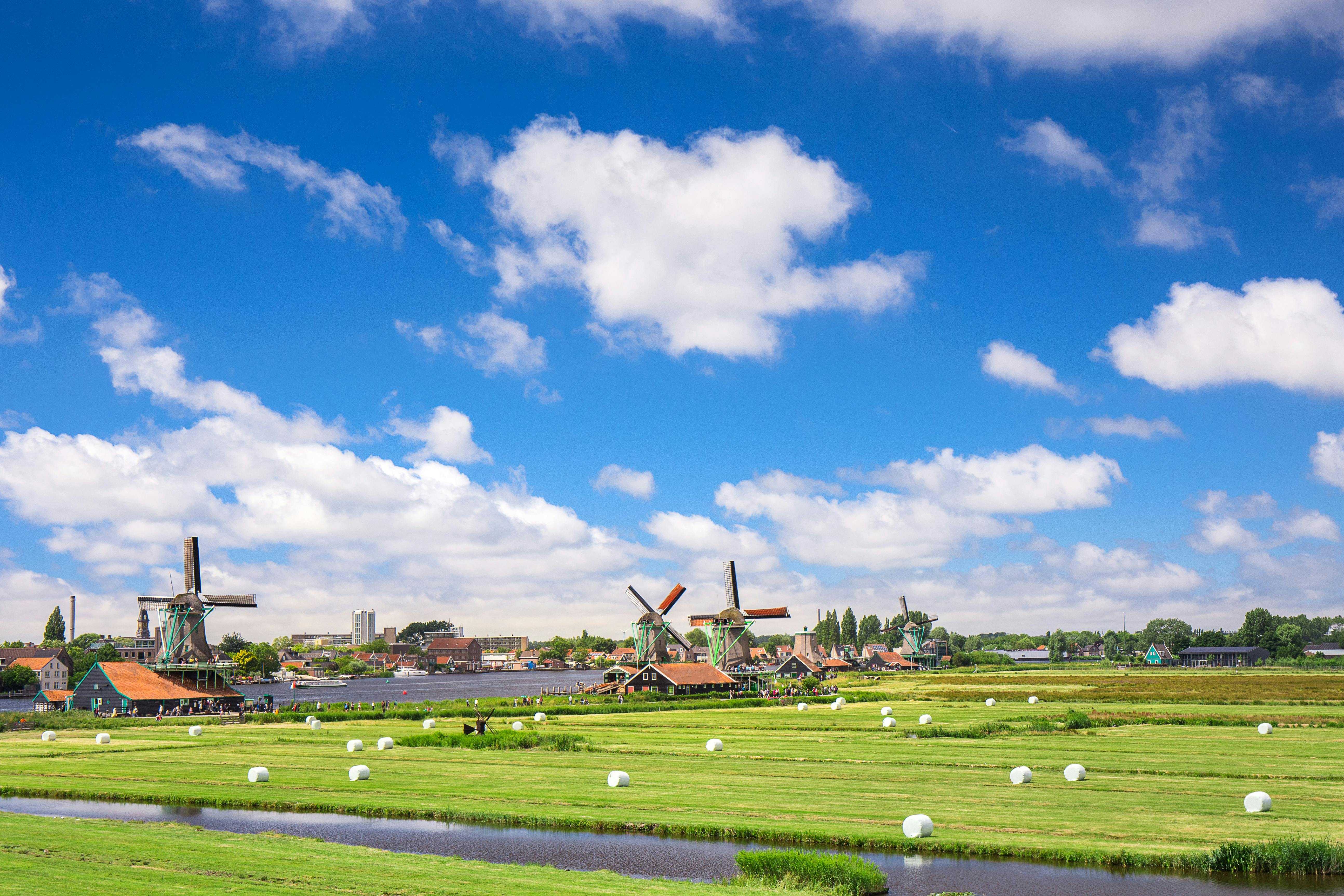
Escape the City Buzz: Discover Amstelveen, Amsterdam's Green Oasis Just a stone's throw from the vibrant heart of Amsterdam lies Amstelveen, a captivating town that effortlessly blends urban excitement with suburban tran…

#Amstelveen#Noord-Holland#Netherlands#Suburban#Green spaces
1/4

Top hotels & flights

Hand-picked stays and the best fares into Amstelveen.

Top Hotels in Amstelveen

Top Flights to Amstelveen

Practical info

The essentials for planning your time in Amstelveen.

Currency
€ | EUR | Euro
Population
69823.0
Languages
Dutch, Dutch
Average weather
Amstelveen
Jan
cloud
5°0°
Feb
cloud
6°0°
Mar
rain
9°2°
Apr
cloud
13°4°
May
sun
17°8°
Jun
sun
20°11°
Jul
sun
22°13°
Aug
sun
22°13°
Sep
cloud
19°11°
Oct
rain
14°7°
Nov
cloud
9°3°
Dec
cloud
6°1°

Local guide

What travelers love, what to watch for, and a deeper read on Amstelveen.

What people love

Amstelveen is a charming town located in the province of Noord-Holland, Netherlands, just a short distance from Amsterdam. Traveling to Amstelveen offers several advantages:

  1. Proximity to Amsterdam: Amstelveen is located very close to Amsterdam, making it a great base for exploring the capital city and its attractions. You can easily travel back and forth between the two locations using public transportation.

  2. Green spaces: Amstelveen boasts several beautiful parks and green spaces, providing a peaceful escape from the hustle and bustle of city life. The Amsterdamse Bos, a large forested park, is a great place for outdoor activities such as cycling, hiking, and picnicking.

  3. Cultural attractions: Amstelveen is home to several cultural attractions, including the Museum Jan van der Togt, which showcases contemporary art and design. The Cobra Museum of Modern Art is also located nearby in the city of Amstelveen.

  4. Shopping and dining: The city center of Amstelveen offers a range of shopping opportunities, from well-known brands to boutique shops. You can also enjoy a variety of dining options, including traditional Dutch cuisine and international fare.

  5. Peaceful atmosphere: Compared to the bustling city of Amsterdam, Amstelveen offers a more peaceful and relaxed atmosphere, making it a great destination for those looking to unwind and enjoy a quieter pace of life.

Overall, traveling to Amstelveen provides a unique opportunity to experience Dutch culture and nature while still being within easy reach of the vibrant city of Amsterdam.

What to know

Some potential cons of traveling to Amstelveen, Netherlands could include:

  1. Limited tourist attractions: Amstelveen is a quieter residential area compared to nearby Amsterdam, so there may be fewer traditional tourist attractions and entertainment options available.

  2. Transportation: While Amstelveen is well-connected to Amsterdam by public transportation, travel times and frequency of services may be less convenient compared to staying in the city center.

  3. Limited nightlife: Amstelveen may not offer as vibrant a nightlife scene as Amsterdam, with fewer bars, clubs, and restaurants open late into the night.

  4. Language barrier: While many people in the Netherlands speak English, you may encounter some language barriers in Amstelveen compared to more tourist-centric areas.

  5. Higher accommodation costs: Depending on the season, accommodation in Amstelveen may be more expensive than in other parts of the Netherlands due to its proximity to Amsterdam.

Please note that these potential cons are subjective and may vary depending on individual preferences and travel expectations.

Amstelveen is a municipality and town in the province of Noord-Holland, Netherlands. Its history is intertwined with that of Amsterdam and the broader region. Here is a detailed overview:

Early History

  • Origins: The area now known as Amstelveen was initially a rural settlement, with its origins dating back to the late Middle Ages. It was largely marshland and peat bog, which was gradually developed for agriculture and habitation.

Development and Growth

  • 17th Century: During the Dutch Golden Age, the proximity to Amsterdam influenced Amstelveen's growth. Wealthy Amsterdam merchants established country estates in the area, attracted by its natural beauty and tranquility.
  • 19th Century: The construction of infrastructure, such as roads and canals, facilitated further growth. Amstelveen remained largely rural until the late 19th and early 20th centuries, when industrialization and urban development began to transform the landscape.

20th Century

  • 1930s: Amstelveen underwent significant urban development, aligning with the expansion of Amsterdam. The town began to lose its rural character as more residential areas were developed.
  • Post-WWII Era: The post-war period saw a substantial increase in housing development to accommodate the growing population. Amstelveen became a popular suburb for people working in Amsterdam, benefiting from improved transportation links.
  • 1970s and 1980s: Further expansion and modernization occurred, with new neighborhoods being built. The town grew into a significant suburban area with a mix of residential, commercial, and industrial zones.

Modern Developments

  • 21st Century: Amstelveen is known for its high quality of life, green spaces, and strong community infrastructure. It hosts a diverse population, including a significant expatriate community, partly due to the presence of international companies like KLM, which have their headquarters nearby.

Significant Landmarks

  • Cobra Museum: A museum dedicated to modern art, focusing on the Cobra movement, an avant-garde art movement from the late 1940s.
  • Amsterdamse Bos: Though shared with Amsterdam, this large park is a crucial recreational area for Amstelveen, offering extensive walking, cycling, and leisure opportunities.
  • Historic Churches: The Dorpskerk (Village Church) is one of the oldest buildings in Amstelveen, reflecting its historical roots as a rural village.

Historical Figures

  • While Amstelveen itself may not have produced many internationally recognized historical figures, its proximity to Amsterdam means it has been influenced by the broader cultural and historical developments of the region. Many artists, politicians, and business leaders from the Amsterdam metropolitan area have had ties to Amstelveen.

Conclusion

Amstelveen's history is a testament to its transformation from a rural settlement to a thriving suburb. Its development reflects broader historical trends in the Netherlands, particularly the expansion of urban areas in response to economic and demographic changes. Today, Amstelveen is a vibrant and modern town that maintains its connection to the natural environment while offering a high standard of living to its residents.