
Amersfoort
· NL

Amersfoort

Amersfoort, Utrecht, Netherlands

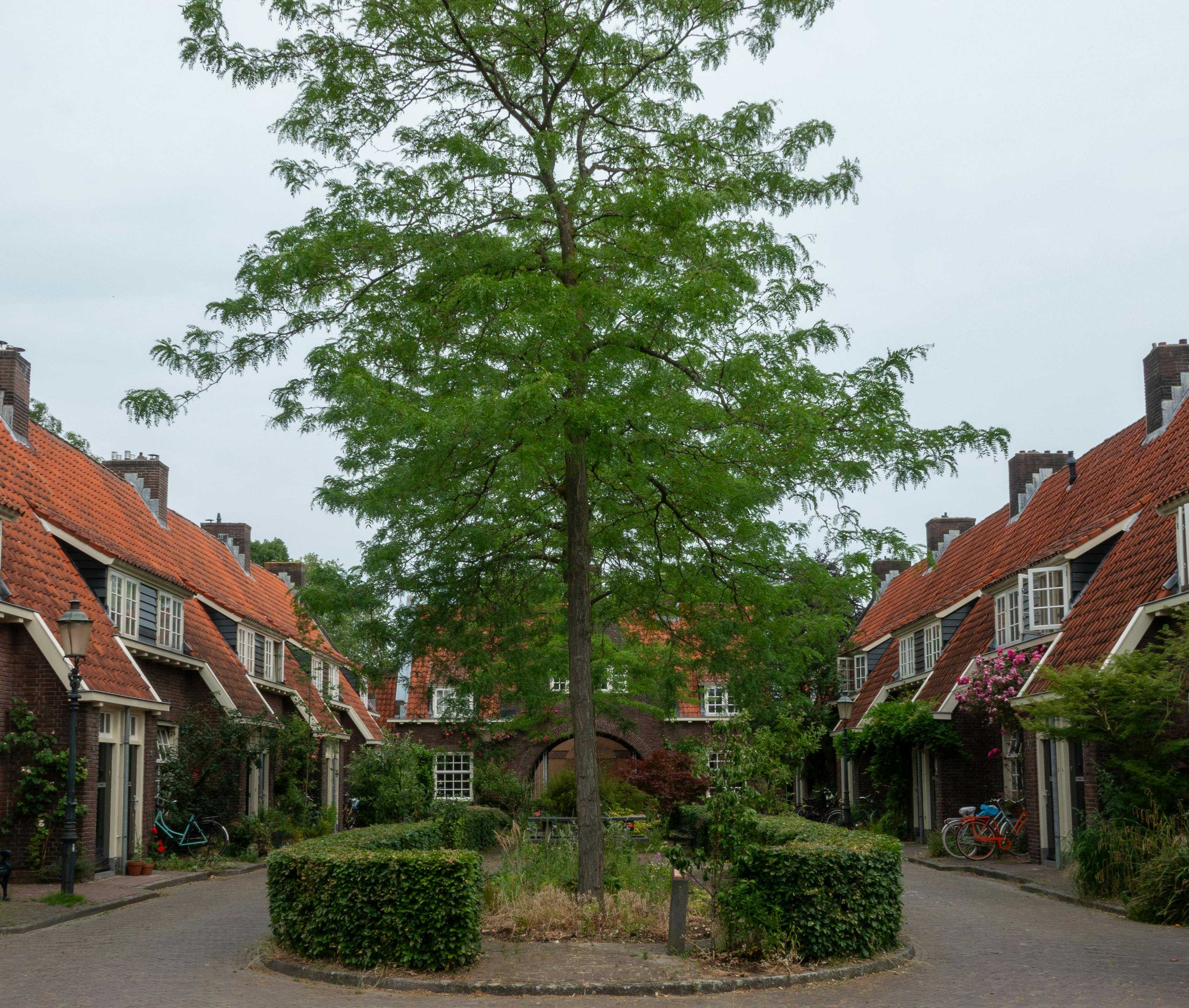
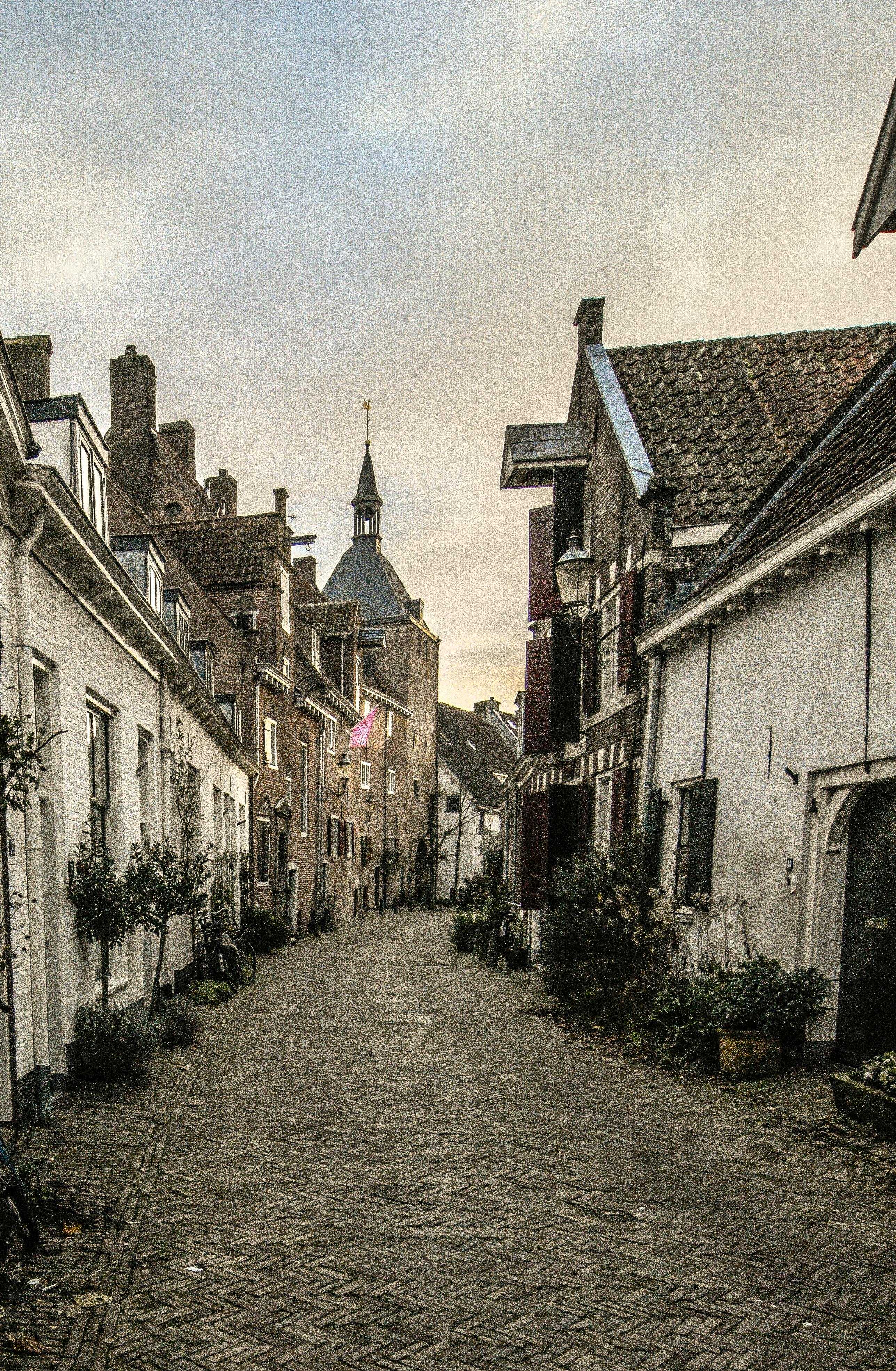
Step Back in Time and Embrace Modernity in Amersfoort Nestled in the heart of the Netherlands, Amersfoort (Utrecht) is a captivating city that seamlessly blends its medieval charm with modern vibrancy. Here, within anci…

#Historic city#Medieval architecture#Canals#Cultural heritage#Tourist destination
1/6

Top hotels & flights

Hand-picked stays and the best fares into Amersfoort.

Top Hotels in Amersfoort

Top Flights to Amersfoort

Practical info

The essentials for planning your time in Amersfoort.

Currency
€ | EUR | Euro
Population
157462.0
Languages
Dutch, Dutch
Average weather
Amersfoort
Jan
cold
5°0°
Feb
cold
6°0°
Mar
cloud
9°2°
Apr
cloud
13°4°
May
cloud
17°8°
Jun
sun
20°11°
Jul
sun
22°13°
Aug
sun
22°13°
Sep
cloud
19°11°
Oct
rain
14°8°
Nov
rain
9°4°
Dec
cold
6°1°

Local guide

What travelers love, what to watch for, and a deeper read on Amersfoort.

What people love

Amersfoort, located in the Utrecht province of the Netherlands, is a charming city with a rich history and plenty to offer visitors. Here are some of the pros of traveling to Amersfoort:

  1. Historical Charm: Amersfoort is a well-preserved medieval city with a picturesque old town center filled with historic buildings, canals, and cobblestone streets. Visitors can admire the well-preserved city walls, gates, and towers that date back to the Middle Ages.

  2. Culture and Arts: The city is home to several museums, galleries, and cultural attractions, including the Mondriaanhuis museum dedicated to the famous Dutch artist Piet Mondrian. There are also regular art exhibitions, music concerts, and festivals that showcase the vibrant cultural scene of Amersfoort.

  3. Outdoor Activities: Amersfoort is surrounded by beautiful natural landscapes, making it a great destination for outdoor enthusiasts. Visitors can enjoy hiking and cycling in the nearby forests, parks, and nature reserves, such as the Soesterduinen sand dunes and the Utrechtse Heuvelrug National Park.

  4. Shopping and Dining: The city center is filled with charming shops, boutiques, cafes, and restaurants where visitors can sample delicious Dutch cuisine and shop for unique souvenirs and local products. The weekly markets in Amersfoort offer fresh produce, flowers, and crafts.

  5. Accessibility: Amersfoort is conveniently located in the heart of the Netherlands, making it easy to reach by train or car from major cities like Amsterdam, Utrecht, and Rotterdam. The city has good public transportation links and is a great base for exploring the surrounding region.

Overall, traveling to Amersfoort offers a mix of history, culture, nature, and relaxation, making it a delightful destination for a memorable trip in the Netherlands.

What to know

Some potential cons of traveling to Amersfoort in the Netherlands could include:

  1. Limited tourist attractions: While Amersfoort does have some historical sites and museums, it may not offer as many tourist attractions or entertainment options as larger cities like Amsterdam or Utrecht.

  2. Limited public transportation options: Amersfoort is a relatively small city, so public transportation options may be more limited compared to larger cities. This could make it more challenging to get around the city and explore different areas.

  3. Language barrier: While many people in the Netherlands speak English, you may encounter some language barriers in Amersfoort, especially in more local establishments or with older residents who may not speak English fluently.

  4. Weather: The weather in the Netherlands can be unpredictable, with frequent rain and cooler temperatures, especially in the fall and winter months. Be prepared for potentially wet and chilly weather during your visit to Amersfoort.

  5. Limited nightlife: Amersfoort is known for its historic charm and cultural attractions, but it may not offer as vibrant a nightlife scene as larger cities in the Netherlands. If you're looking for bustling nightlife options, you may be better off visiting a larger city.

Overall, while Amersfoort offers a charming and historic atmosphere, visitors should be aware of these potential cons when planning their trip.

Amersfoort is a city with a rich history located in the province of Utrecht in the Netherlands. It is known for its medieval architecture, historical significance, and vibrant cultural heritage. Here is a detailed history of Amersfoort:

Early History

  • Origins and Growth: Amersfoort began as a settlement in the Middle Ages, with its name first recorded in 1028. The name 'Amersfoort' is derived from a ford (a shallow place to cross a river) in the river Eem, which was historically known as the Amer.

Middle Ages

  • City Rights: Amersfoort received its city rights in 1259, which marked its official recognition as a city and allowed it to establish a governing body and hold markets.
  • Economic Development: During the late Middle Ages, Amersfoort became a significant center for the textile industry and trade, contributing to its prosperity. The city was also known for its brewing industry.

The 14th to 16th Century

  • Defensive Structures: Amersfoort is famous for its well-preserved medieval city wall, completed in 1450. Notable structures include the Koppelpoort, a medieval gate that served as both a land and water gate, and is a prime example of medieval defensive architecture.
  • Religious Influence: During this period, the city was an important religious center, with numerous churches and monasteries. The Onze-Lieve-Vrouwetoren (Tower of Our Lady) is a significant landmark from this era. Built between 1444 and 1470, it remains the third tallest church tower in the Netherlands.

17th to 18th Century

  • The Dutch Golden Age: Amersfoort saw a decline during the Dutch Golden Age as it did not benefit as much from the maritime trade that enriched cities like Amsterdam. However, the city retained its importance as a regional market town.
  • French Occupation: During the late 18th century, Amersfoort, like much of the Netherlands, was occupied by French revolutionary forces.

19th to 20th Century

  • Industrialization: The 19th century brought industrialization to Amersfoort, with the establishment of factories and improved transportation links, including the railway.
  • World War II: Amersfoort's history during World War II includes the Amersfoort concentration camp (Kamp Amersfoort), which was used by the Nazis as a transit and punishment camp.

Modern Era

  • Post-War Development: In the post-war period, Amersfoort expanded significantly with new residential areas and infrastructure, becoming a commuter city for nearby Utrecht and Amsterdam.
  • Cultural Heritage: Today, Amersfoort is known for its historical buildings, museums, and vibrant cultural scene. It hosts numerous festivals and events that celebrate its rich history and diverse culture.

Notable Figures

  • Piet Mondrian: The famous Dutch painter Piet Mondrian, known for his contribution to the De Stijl art movement, was born in Amersfoort in 1872.

Important Landmarks

  • Onze-Lieve-Vrouwetoren: The iconic church tower that is a symbol of the city.
  • Koppelpoort: A medieval gate that is part of the city's historical fortifications.
  • Muurhuizen: A street lined with houses built into the old city walls, showcasing medieval architecture.
  • Mondriaanhuis: The house where Piet Mondrian was born, now a museum dedicated to his life and work.

Amersfoort's combination of historical architecture, cultural heritage, and modern growth makes it a fascinating city with a rich and diverse history.