
Ambon
· ID

Ambon

Ambon, Maluku, Indonesia

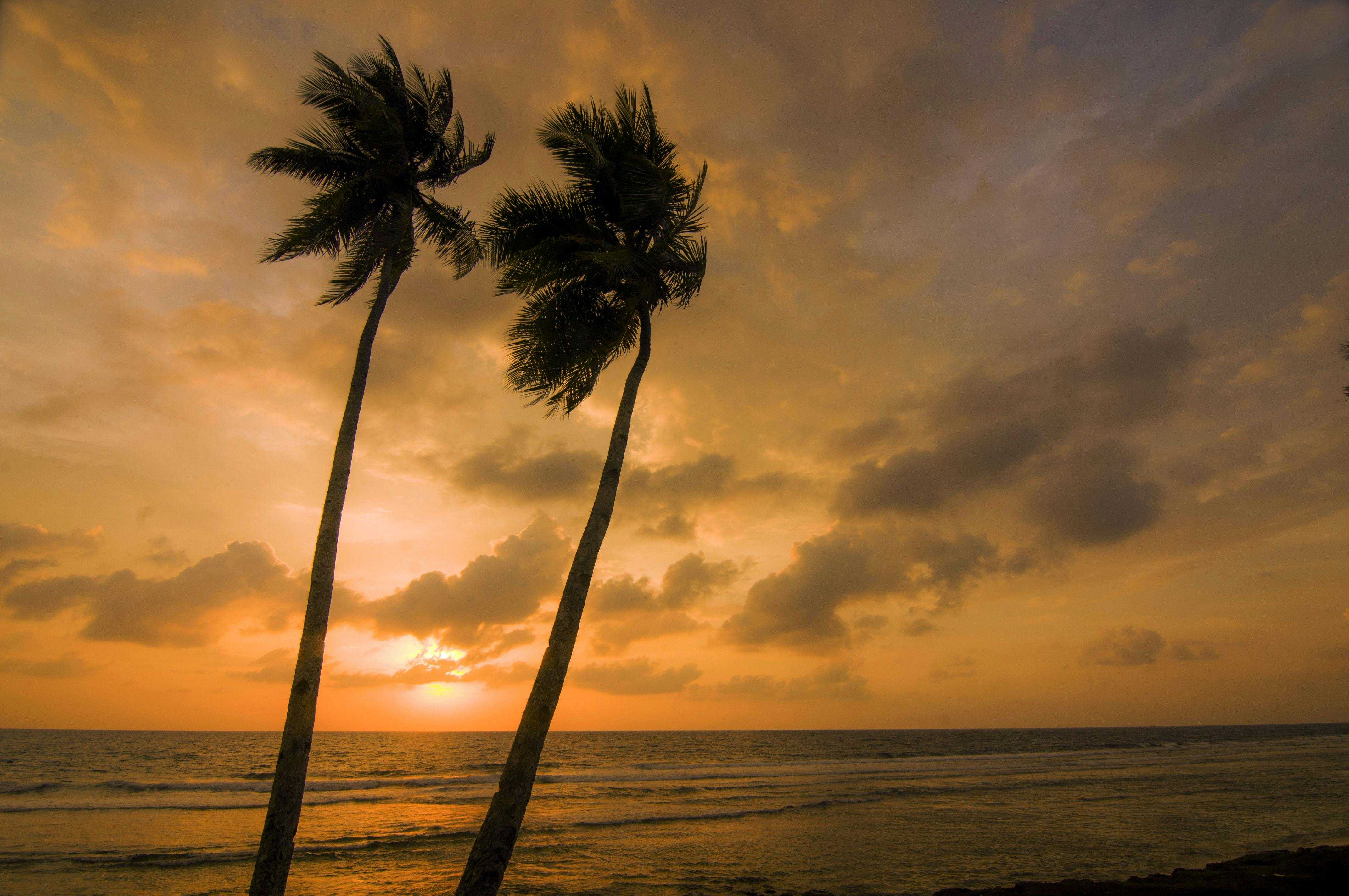
Ambon: Where History Meets Paradise in the Heart of the Moluccas Sun-drenched beaches, crystal-clear waters teeming with life, and a rich tapestry of history await you in Ambon, the vibrant capital of Indonesia's Maluku …

#Island#Tropical#Historical#Cultural#Diverse
1/1

Top hotels & flights

Hand-picked stays and the best fares into Ambon.

Top Hotels in Ambon

Top Flights to Ambon

Location videos

Real reels from travelers, plus longer watches to get the full picture.

From travelers
Watch & explore

Practical info

The essentials for planning your time in Ambon.

Currency
Rp | IDR | Indonesian Rupiah
Population
The approximate estimated total population of Ambon, Maluku, Indonesia is '0.4 million'.
Languages
Ambonese Malay, Indonesian
Average weather
Ambon
Jan
rain
30°24°
Feb
rain
30°24°
Mar
rain
30°24°
Apr
rain
30°24°
May
rain
30°24°
Jun
rain
29°23°
Jul
rain
29°23°
Aug
rain
29°23°
Sep
rain
30°23°
Oct
rain
30°24°
Nov
rain
31°24°
Dec
rain
31°24°

Local guide

What travelers love, what to watch for, and a deeper read on Ambon.

What people love

Ambon, located in Maluku, Indonesia, offers several unique experiences and attractions for travelers. Here are some pros of traveling to Ambon:

  1. Rich Cultural Heritage: Ambon has a diverse cultural heritage influenced by various ethnic groups. Travelers can explore traditional villages, witness cultural performances, and visit historical sites like Fort Amsterdam and World Peace Gong.

  2. Beautiful Beaches: Ambon is known for its stunning beaches with crystal-clear waters and white sandy shores. Popular beaches include Natsepa Beach, Liang Beach, and Waihuhu Beach, offering opportunities for swimming, snorkeling, and sunbathing.

  3. Marine Life: Ambon is a paradise for diving enthusiasts, with numerous dive sites showcasing vibrant coral reefs, colorful fish, and other marine creatures. The area is famous for its unique critters like the psychedelic frogfish and Ambon scorpionfish.

  4. Culinary Delights: Ambon offers a variety of delicious local dishes that reflect its cultural diversity. Travelers can savor traditional Malukan cuisine such as Papeda (sago porridge) with spicy fish dishes, as well as fresh seafood options.

  5. Natural Beauty: In addition to its beaches and underwater wonders, Ambon boasts lush landscapes, rolling hills, and scenic viewpoints. Travelers can explore waterfalls, trek through jungles, and enjoy the serene beauty of nature.

  6. Hospitable Locals: Ambon is known for its friendly and welcoming locals who are eager to share their culture and traditions with visitors. Travelers can engage with the community, participate in local events, and learn about Malukan customs.

Overall, traveling to Ambon provides a unique opportunity to immerse yourself in Indonesian culture, enjoy breathtaking natural landscapes, and experience world-class diving adventures.

What to know

Some potential cons of traveling to Ambon, Maluku, Indonesia include:

  1. Limited Infrastructure: Ambon is a remote island and may have limited infrastructure compared to more popular tourist destinations. This could result in challenges with transportation, accommodations, and access to amenities.

  2. Language Barrier: English may not be widely spoken in Ambon, so communication could be a challenge for travelers who do not speak Indonesian.

  3. Remote Location: Ambon's remote location means that it may take longer and be more expensive to travel to and from the island. Flights and ferry services may have limited schedules, which could impact travel plans.

  4. Health Concerns: As with any travel to a tropical destination, there may be health risks to consider such as mosquito-borne diseases like dengue fever or malaria. It is important to take necessary precautions and consult with a healthcare professional before traveling.

  5. Limited Tourist Facilities: Ambon may not have as many tourist facilities and services compared to more popular destinations in Indonesia. This could result in a more rustic or basic travel experience.

  6. Political Unrest: While Ambon has generally been peaceful in recent years, there have been past instances of political and religious conflict in the region. Travelers should stay informed about the current situation and exercise caution.

It's important to research further and stay updated on the current travel advisories for Ambon before planning a trip.

Ambon is the capital city of the Maluku province in Indonesia and has a rich and varied history. Known for its pivotal role during various periods of trade and colonialism, Ambon is an important cultural and historical hub in the region.

Early History

The island of Ambon has been inhabited for thousands of years, with indigenous peoples establishing communities and engaging in trade with other islands in the Maluku archipelago. The region was known for its abundant spices, particularly cloves, which attracted traders from across Asia.

Portuguese and Dutch Colonization

In the early 16th century, the Portuguese arrived in the Maluku Islands, drawn by the lucrative spice trade. They established a fort in Ambon in 1526, aiming to control the spice trade routes. However, their control was challenged by the Dutch, who were also interested in the region's wealth.

In 1605, the Dutch seized Ambon from the Portuguese, marking the beginning of Dutch colonial rule. The Dutch East India Company (VOC) established Ambon as a major trading hub and administrative center. The Dutch constructed Fort Victoria, which became a key military and trading post.

The Amboyna Massacre

A significant event in Ambon's history is the Amboyna Massacre of 1623. The Dutch accused English traders of conspiring against them and executed ten Englishmen and several Japanese and Portuguese. This event strained Dutch-English relations and had long-lasting effects on European politics in the region.

Japanese Occupation and Post-World War II

During World War II, Ambon fell under Japanese occupation from 1942 to 1945. The island was strategically important, and the Japanese built airstrips and military installations. After the war, Indonesian nationalists sought independence from Dutch colonial rule, which was eventually achieved in 1949.

Republic of South Maluku

In the aftermath of Indonesian independence, Ambon experienced internal conflict. In 1950, some residents declared the Republic of South Maluku, seeking to break away from Indonesia. The Indonesian government suppressed the rebellion, but the event highlighted regional tensions.

Modern Ambon

In more recent history, Ambon was the site of religious and ethnic conflict between Christians and Muslims from 1999 to 2002. The violence resulted in significant loss of life and displacement of people. Peace was eventually restored, and efforts have been made to rebuild and promote reconciliation.

Landmarks and Cultural Heritage

  • Fort Victoria: This historic fort is a remnant of Dutch colonial rule and offers insights into the island's colonial past.
  • World Peace Gong: Installed in 2009, this monument symbolizes peace and unity, reflecting the city's commitment to reconciliation following the communal conflicts.
  • Natsepa Beach: Known for its natural beauty, Natsepa Beach is a popular destination for both locals and tourists.
  • Ambon War Cemetery: This cemetery commemorates the Allied soldiers who died during World War II, reflecting the island’s role in the global conflict.

Historical Figures

  • Pattimura (Thomas Matulessy): A national hero who led a rebellion against the Dutch in 1817. His legacy is celebrated in Ambon and throughout Indonesia.

Ambon continues to develop as a center for trade and culture in Eastern Indonesia, with its history deeply influencing its modern identity.