
Amarante
· PT

Amarante

Amarante, Porto, Portugal

Fall in love with Amarante: Where history whispers and nature embraces Nestled amongst verdant hills on the banks of the River Tâmega, Amarante, Portugal, is a captivating blend of history, nature, and charm. More than j…

#historic town#Douro Valley#Portuguese architecture#wine region#cultural heritage
1/4

Top hotels & flights

Hand-picked stays and the best fares into Amarante.

Top Hotels in Amarante

Top Flights to Amarante

Practical info

The essentials for planning your time in Amarante.

Currency
€ | EUR | Euro
Population
56264.0
Languages
Portuguese, Portuguese
Average weather
Amarante
Jan
rain
12°3°
Feb
rain
13°3°
Mar
cloud
16°5°
Apr
cloud
18°7°
May
sun
21°10°
Jun
sun
25°13°
Jul
hot
29°15°
Aug
hot
29°15°
Sep
sun
26°14°
Oct
cloud
21°11°
Nov
rain
16°7°
Dec
rain
13°4°

Local guide

What travelers love, what to watch for, and a deeper read on Amarante.

What people love

Amarante, located in Porto, Portugal, is a charming town known for its picturesque setting along the Tamega River, surrounded by lush greenery and rolling hills. Here are some pros of traveling to Amarante:

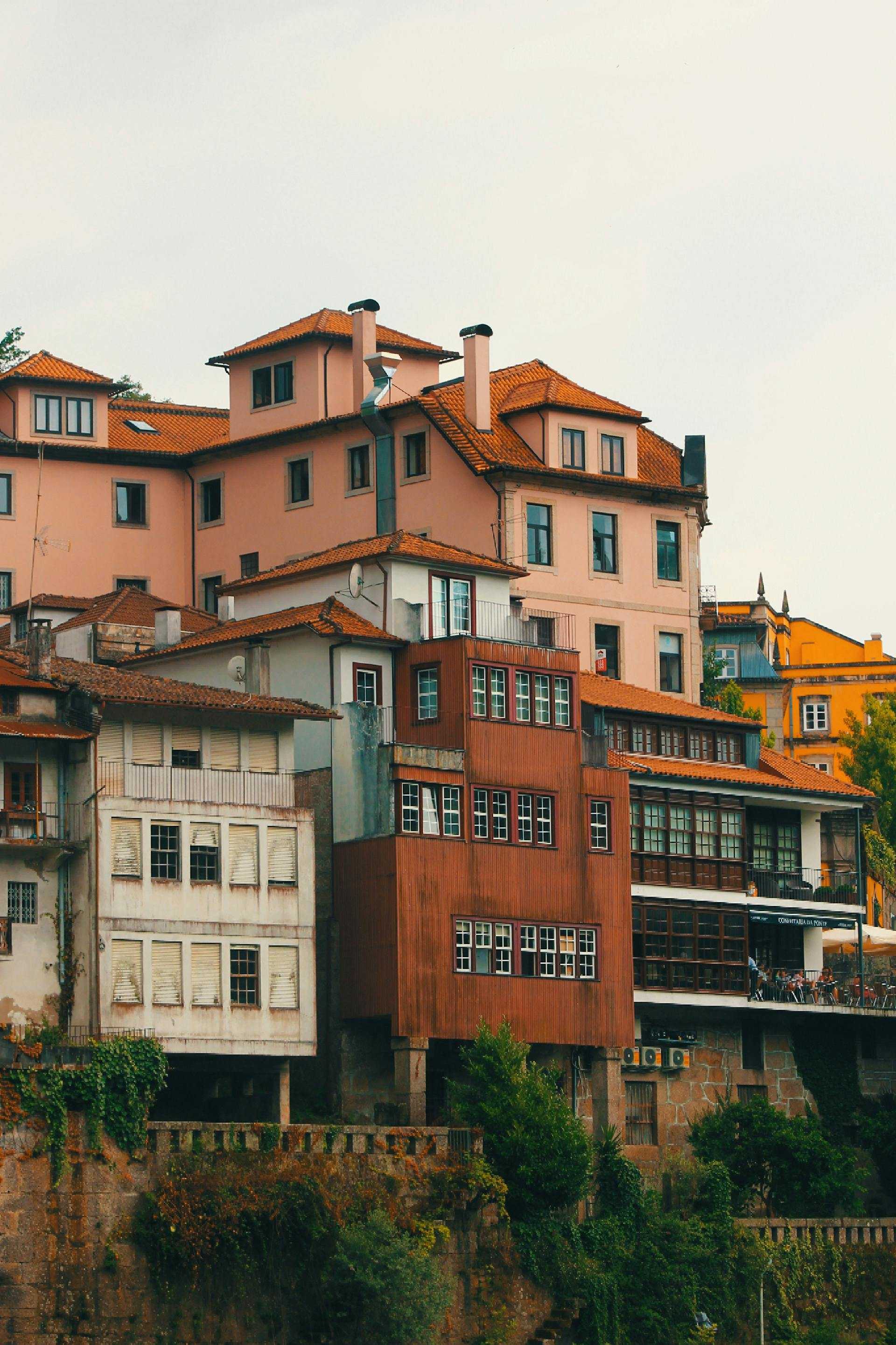
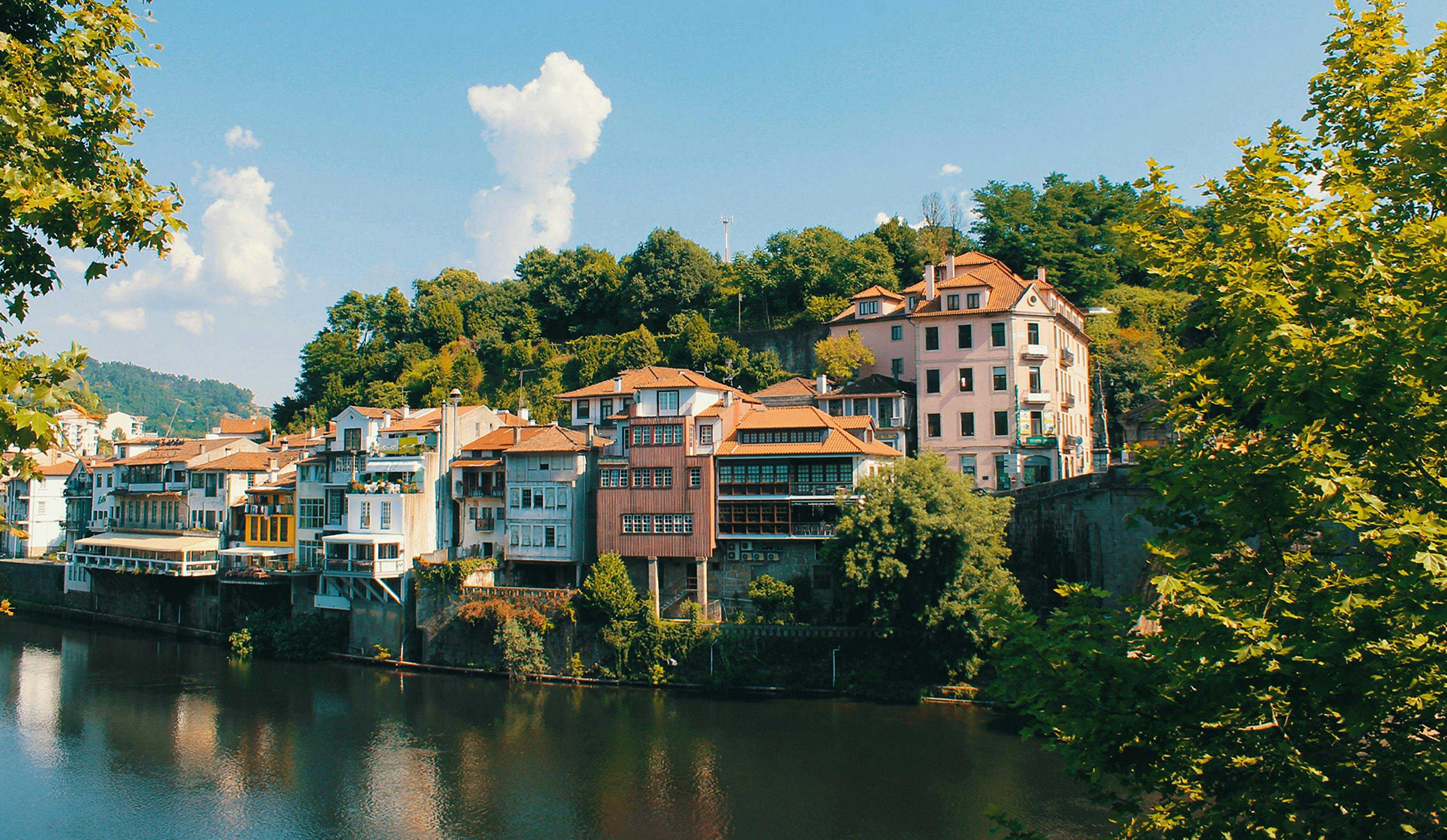
  1. Scenic Beauty: Amarante is renowned for its beautiful landscapes, with the river winding through the town, historic bridges, and stunning views of the countryside. It's a great destination for nature lovers and photographers.

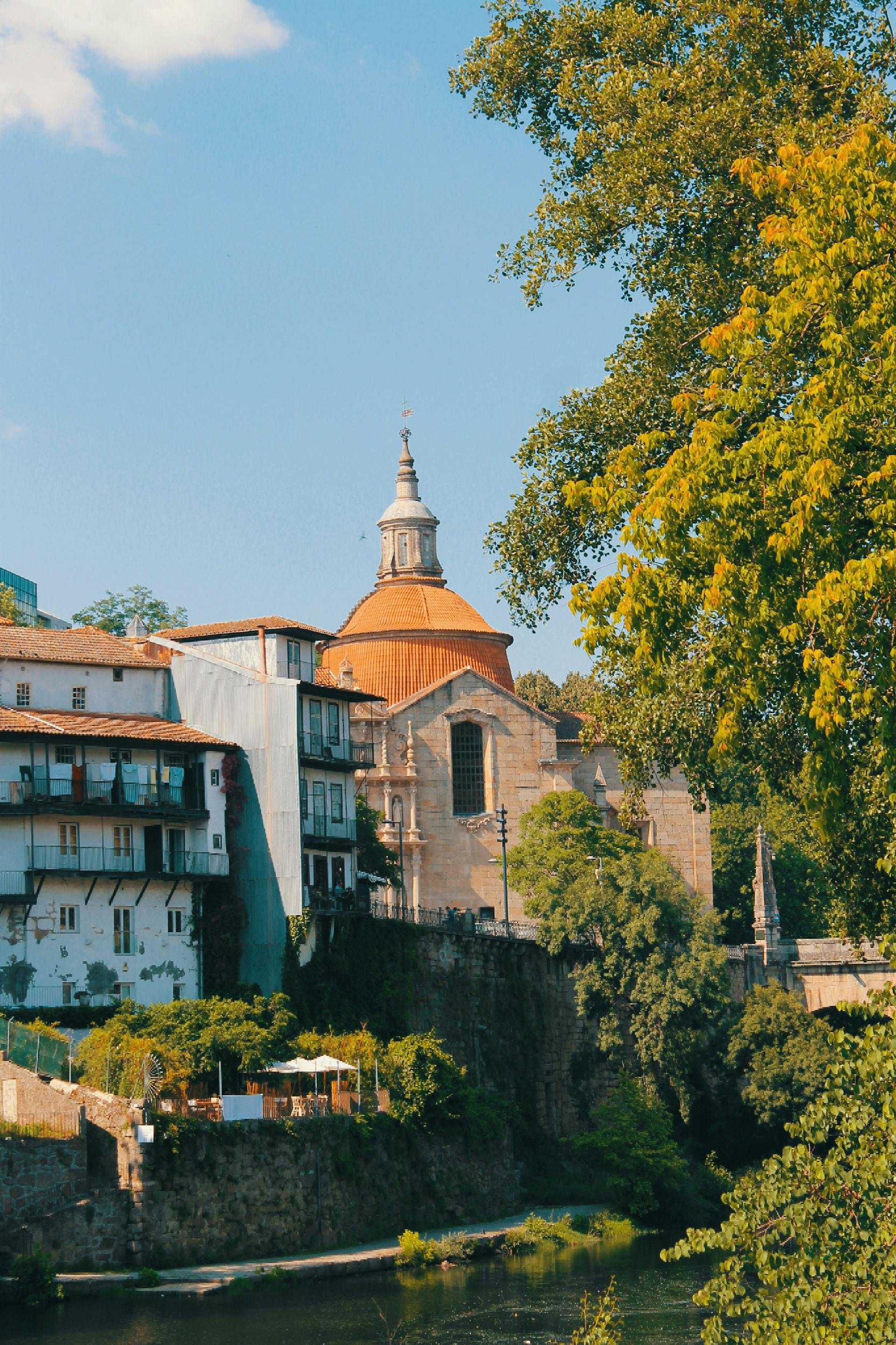
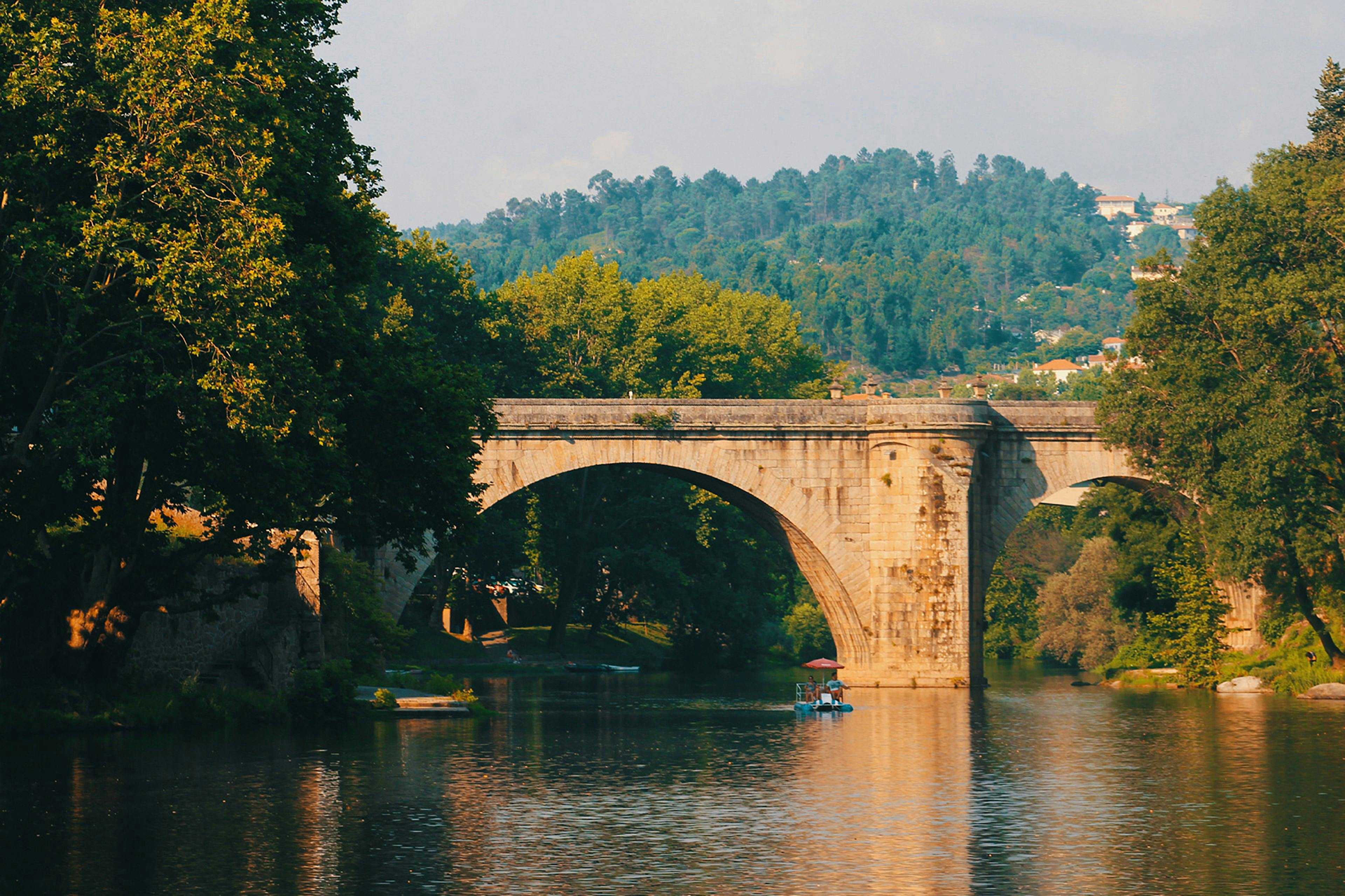
  2. Cultural Heritage: The town is steeped in history and culture, with notable landmarks such as the São Gonçalo Church and Monastery, the Ponte de São Gonçalo bridge, and the historic city center with its narrow streets and traditional houses.

  3. Gastronomy: Amarante is known for its delicious traditional cuisine, including regional specialties such as bola de carne (meat pie), papas de sarrabulho (pork and blood pudding stew), and sweet treats like the famous Amarante pudding.

  4. Wine Tourism: The region around Amarante is part of the Vinho Verde wine region, known for its light and refreshing wines. Visitors can enjoy wine tastings at local vineyards and learn about the winemaking process.

  5. Outdoor Activities: Amarante offers opportunities for outdoor activities such as hiking, cycling, and river cruises. The surrounding countryside is perfect for exploring and enjoying the fresh air.

Overall, traveling to Amarante in Porto, Portugal, offers a mix of natural beauty, cultural experiences, delicious food, and outdoor adventures, making it a great destination for a relaxing and enjoyable vacation.

What to know

Amarante is a charming town located in the Porto district of Portugal, known for its beautiful landscapes, historic buildings, and religious sites. While Amarante is a popular destination for tourists, there are some potential cons to consider when traveling to this area:

  1. Limited public transportation options: Amarante is a relatively small town, and public transportation options within the town itself may be limited. Travelers may need to rely on taxis or private transportation to get around, which could be more expensive.

  2. Crowds during peak tourist seasons: Like many popular tourist destinations, Amarante can get crowded during peak travel seasons, such as summer or holidays. This could lead to longer wait times at popular attractions, restaurants, and accommodations.

  3. Limited nightlife and entertainment options: While Amarante offers a peaceful and picturesque setting, it may not have as many nightlife or entertainment options compared to larger cities. Travelers looking for a vibrant nightlife scene may find Amarante lacking in this regard.

  4. Language barrier: While many locals in Amarante may speak English, there could still be a language barrier for some travelers, particularly in more rural areas outside the town. Having some knowledge of Portuguese or using a translation app may be helpful in these situations.

  5. Limited accommodation options: Although Amarante has a variety of accommodation options, including hotels, guesthouses, and rental properties, the selection may be limited compared to larger cities. It's advisable to book accommodations in advance, especially during peak travel seasons.

Overall, while Amarante offers a unique and charming travel experience, travelers should be aware of these potential cons to ensure a smooth and enjoyable trip.

Amarante is a picturesque town located in the district of Porto, in northern Portugal. It is known for its rich history, stunning architecture, and cultural significance. Here is a detailed history of Amarante, including significant events, historical figures, and important landmarks:

Historical Background

  • Early History: The region around Amarante has been inhabited since prehistoric times, with archeological findings indicating the presence of ancient settlements. The town itself is believed to have been founded in the 4th century BC by the Turduli people, a Celtic tribe.

  • Roman Period: During the Roman occupation of the Iberian Peninsula, Amarante was part of the Roman province of Lusitania. Roman roads and bridges facilitated trade and communication in the area.

  • Medieval Era: Amarante gained significance in the medieval period. It was an important stop on the pilgrimage route to Santiago de Compostela. The town was fortified with walls and towers during this time to protect against invasions.

Significant Events and Figures

  • São Gonçalo de Amarante: One of the most significant historical figures associated with Amarante is Saint Gonçalo de Amarante. Born in the 12th century, he became a priest and later a hermit. São Gonçalo is credited with performing miracles and is the patron saint of the town. His feast day, celebrated in June, is a major event in Amarante.

  • French Invasions: During the Peninsular War, Amarante was a site of conflict. In 1809, French troops under Marshal Soult attempted to cross the Tâmega River at Amarante but were held back by Portuguese forces. The resistance at the Amarante Bridge is a celebrated moment in Portuguese military history.

Important Landmarks

  • São Gonçalo Bridge: This iconic stone bridge spans the Tâmega River and is associated with the legend of São Gonçalo. It has been rebuilt several times, with the current structure dating back to the 18th century.

  • São Gonçalo Church and Convent: Located near the bridge, this religious complex was built in the 16th century and is dedicated to São Gonçalo. It is a notable example of Portuguese Renaissance architecture.

  • Amarante Museum: Housed in a historic building, the museum showcases the works of local artists, including the painter Amadeo de Souza-Cardoso. It offers a glimpse into the town's cultural heritage.

  • Amadeo de Souza-Cardoso: Born in Amarante in 1887, he was a prominent modernist painter who gained international recognition. His work is celebrated both in Portugal and abroad.

Cultural Significance

Amarante is known for its vibrant cultural life, including festivals, traditional music, and cuisine. The Feast of São Gonçalo, with its processions and traditional sweets known as "doces fálicos" (phallic sweets), is a unique cultural event that draws visitors from all over.

Amarante's charming streets, riverfront views, and historical architecture make it a popular destination for tourists seeking to explore Portugal's rich history and culture. The town's blend of natural beauty and historical significance continues to attract visitors from around the world.