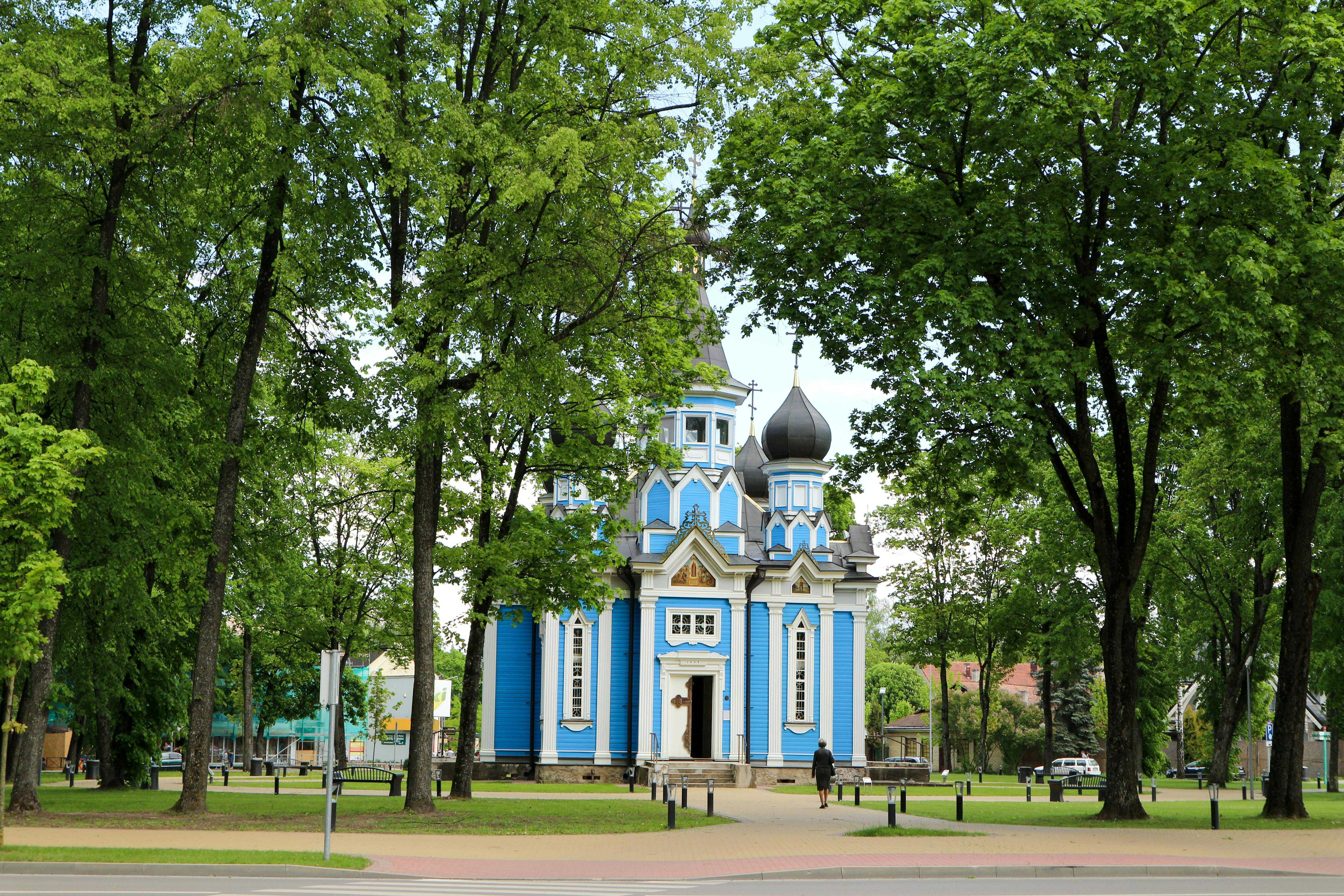

Alytus
· LT

Alytus

Alytus, Alytaus Miestas, Lithuania

Discover Alytus: Lithuania's City in Bloom Nestled between the meandering Nemunas River and picturesque hills, Alytus, Lithuania, offers a captivating blend of natural beauty, historical intrigue, and vibrant culture. Kn…

#Alytus#Alytaus Miestas#Lithuania#City#Historic
1/5

Top hotels & flights

Hand-picked stays and the best fares into Alytus.

Top Hotels in Alytus

Top Flights to Alytus

Location videos

Real reels from travelers, plus longer watches to get the full picture.

From travelers

Practical info

The essentials for planning your time in Alytus.

Currency
€ | EUR | Euro
Population
51856.0
Languages
Lithuanian, Polish, Russian
Average weather
Alytus
Jan
snow
-2°-7°
Feb
snow
-1°-6°
Mar
cloud
4°-3°
Apr
rain
11°2°
May
cloud
18°7°
Jun
sun
21°11°
Jul
sun
23°13°
Aug
sun
22°12°
Sep
cloud
17°9°
Oct
rain
11°4°
Nov
cloud
4°-1°
Dec
snow
-1°-5°

Local guide

What travelers love, what to watch for, and a deeper read on Alytus.

What people love

Alytus, located in Lithuania, has some unique and interesting features that may appeal to travelers. Here are some pros of traveling to Alytus:

  1. Nature and Outdoor Activities: Alytus is surrounded by beautiful natural landscapes, including forests, rivers, and lakes. Visitors can enjoy outdoor activities such as hiking, cycling, fishing, and boating in the picturesque surroundings.

  2. Historical and Cultural Sites: Alytus has a rich history and boasts several historical and cultural sites worth exploring. The city has museums, art galleries, and architectural landmarks that provide insights into its past and cultural heritage.

  3. Authentic Lithuanian Experience: Traveling to Alytus allows visitors to immerse themselves in authentic Lithuanian culture and traditions. The city offers a glimpse into local life, cuisine, and customs, providing a unique travel experience.

  4. Affordable Travel Destination: Compared to some other European destinations, traveling to Alytus can be more budget-friendly. Accommodation, dining, and transportation options are relatively affordable, making it an attractive choice for travelers on a budget.

  5. Peaceful and Relaxing Atmosphere: Alytus is known for its tranquil and peaceful atmosphere, making it an ideal destination for those seeking a break from the hustle and bustle of city life. Visitors can unwind and rejuvenate in the serene surroundings of the city.

Overall, traveling to Alytus can offer a mix of natural beauty, cultural experiences, and affordability, making it a compelling destination for those looking to explore a lesser-known gem in Lithuania.

What to know

Some potential cons of traveling to Alytus, Lithuania may include:

  1. Limited tourist infrastructure: Alytus is not as popular of a tourist destination compared to other cities in Lithuania, so the tourist infrastructure may be less developed. This could mean fewer options for accommodations, restaurants, and attractions.

  2. Language barrier: English is not as widely spoken in Alytus compared to major tourist cities like Vilnius or Kaunas. Travelers may encounter challenges communicating with locals or finding English-speaking service providers.

  3. Limited transportation options: Alytus may have fewer transportation options compared to larger cities, which could make it more difficult to travel to and around the area. Public transport may be less frequent or reliable.

  4. Limited tourist attractions: While Alytus has its own charm and local attractions, it may not offer as many tourist sites or activities compared to other popular Lithuanian cities. Travelers with specific sightseeing interests may find the options in Alytus more limited.

  5. Seasonal considerations: Alytus experiences colder winters and milder summers due to its location in Lithuania. Travelers should take into account weather conditions when planning their trip, as certain activities or attractions may be affected by the season.

Please note that these are potential cons and individual experiences may vary. It's always recommended to do thorough research and plan accordingly based on personal preferences and travel priorities.

Alytus, located in southern Lithuania, is a city with a rich history that stretches back several centuries. Here is an overview of its historical development, significant events, notable figures, and important landmarks:

Early History

  • Origins: Alytus is believed to have been inhabited since prehistoric times. The first recorded mention of Alytus dates back to 1377, in the chronicles of the Teutonic Knights. The settlement was initially a wooden fortress.

  • Medieval Period: In the medieval period, Alytus was part of the Grand Duchy of Lithuania. Due to its strategic location near the Nemunas River, it played a role in the defense against invading forces, including the Teutonic Knights.

16th to 19th Century

  • Magdeburg Rights: Alytus was granted Magdeburg rights in 1581, allowing it to govern itself with greater autonomy and encouraging economic development.

  • Partitions of the Polish-Lithuanian Commonwealth: In the late 18th century, during the partitions of the Polish-Lithuanian Commonwealth, Alytus became part of the Russian Empire.

  • 19th Century Developments: The 19th century saw Alytus grow as a regional trade center and military outpost. The construction of roads and later, railways, boosted its economic significance.

20th Century

  • Interwar Period: After World War I, Alytus became part of the newly independent Republic of Lithuania. It experienced a period of growth and modernization during this time.

  • World War II: The city suffered during World War II, with significant damage and loss of life. Alytus was occupied by Nazi Germany and later by the Soviet Union.

  • Soviet Era: Under Soviet rule, Alytus was industrialized, with factories and residential areas built to accommodate workers. It became known for its textile and food processing industries.

Post-Independence

  • Lithuanian Independence: Following the restoration of Lithuanian independence in 1990, Alytus transitioned from a Soviet-style economy to a market economy. Efforts were made to revitalize the city and preserve its cultural heritage.

Notable Figures

  • Antanas Juozapavičius: A military officer and the first Lithuanian officer to die in the Lithuanian Wars of Independence. There is a street named after him in Alytus.

Landmarks and Cultural Sites

  • Alytus Church of the Guardian Angels: A prominent Roman Catholic church in the city, known for its architecture and historical significance.

  • Alytus City Park: A large public park that provides recreational opportunities for residents and visitors and hosts various cultural events.

  • Alytus Museum: This museum offers insights into the city's history, showcasing artifacts from different periods.

  • White Rose Bridge: A modern pedestrian bridge over the Nemunas River, symbolizing the city's connection between its past and present.

Contemporary Alytus

Today, Alytus is known for its blend of historical charm and modern development. It continues to be a vibrant city with cultural events, educational institutions, and community initiatives.

This history highlights Alytus as a city that has undergone numerous changes while maintaining its cultural identity and historical significance.