

Almada
· PT

Almada

Almada, Setubal, Portugal

Almada: Lisbon's Stunning Counterpart Just across the Tagus River, gazing at Lisbon's iconic skyline, lies Almada, a city brimming with hidden gems and authentic Portuguese charm. Often overlooked, Almada offers a captiv…

#Almada#Setúbal#Portugal#coastal city#tourist destination
1/13

Top hotels & flights

Hand-picked stays and the best fares into Almada.

Top Hotels in Almada

Top Flights to Almada

Practical info

The essentials for planning your time in Almada.

Currency
€ | EUR | Euro
Population
177268.0
Languages
Portuguese, Portuguese
Average weather
Almada
Jan
rain
15°8°
Feb
rain
16°8°
Mar
cloud
18°10°
Apr
cloud
19°11°
May
clear
21°13°
Jun
sun
24°16°
Jul
hot
27°18°
Aug
hot
28°19°
Sep
sun
26°18°
Oct
cloud
22°15°
Nov
rain
18°11°
Dec
rain
15°9°

Local guide

What travelers love, what to watch for, and a deeper read on Almada.

What people love

Almada, located in Setúbal, Portugal, offers a variety of attractions and activities for travelers to enjoy. Some of the pros of traveling to Almada include:

  1. Stunning Views: Almada boasts beautiful views of the Tagus River and the city of Lisbon across the water. Visitors can enjoy breathtaking sunsets and panoramic vistas from various viewpoints in Almada.

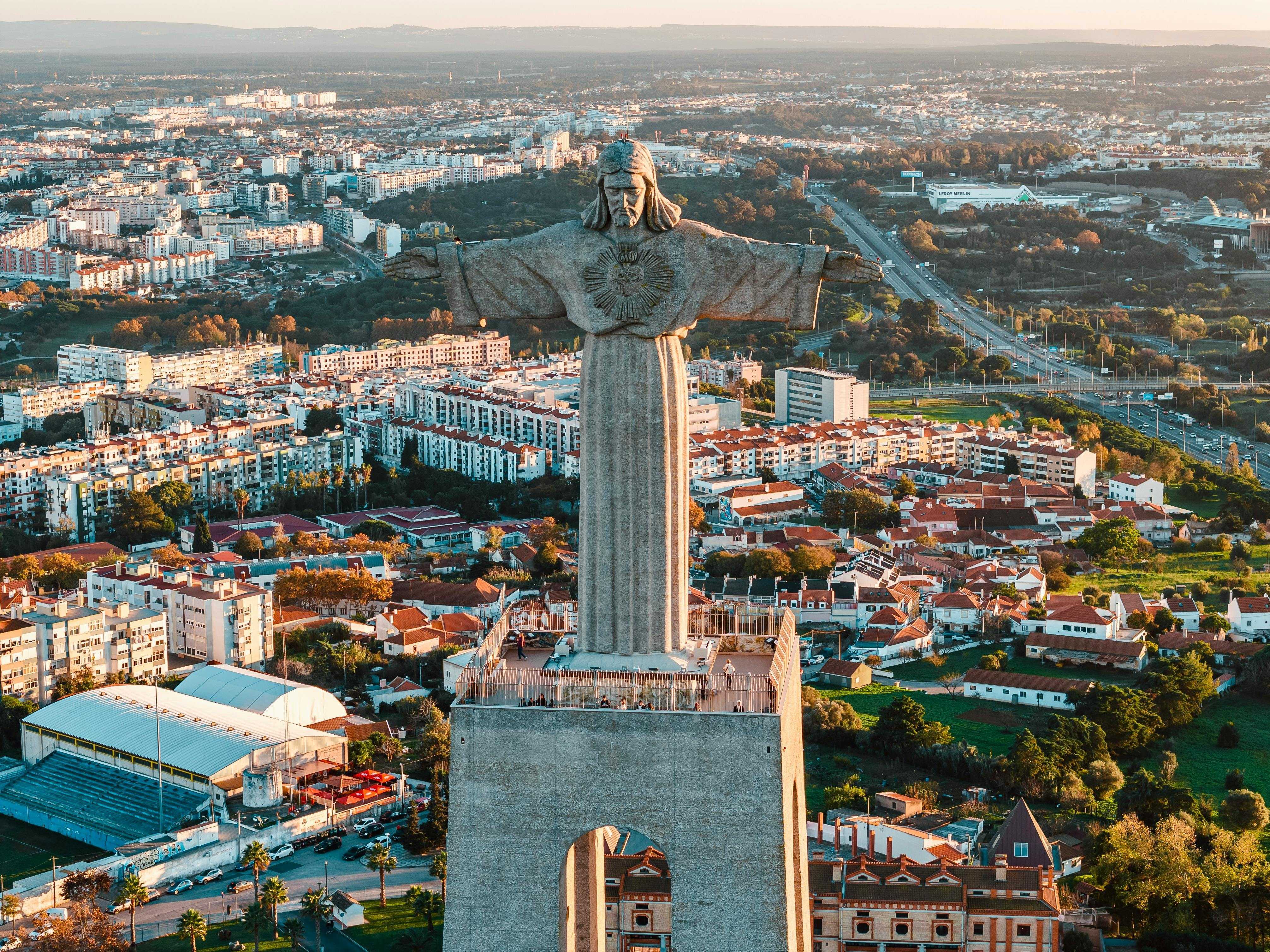
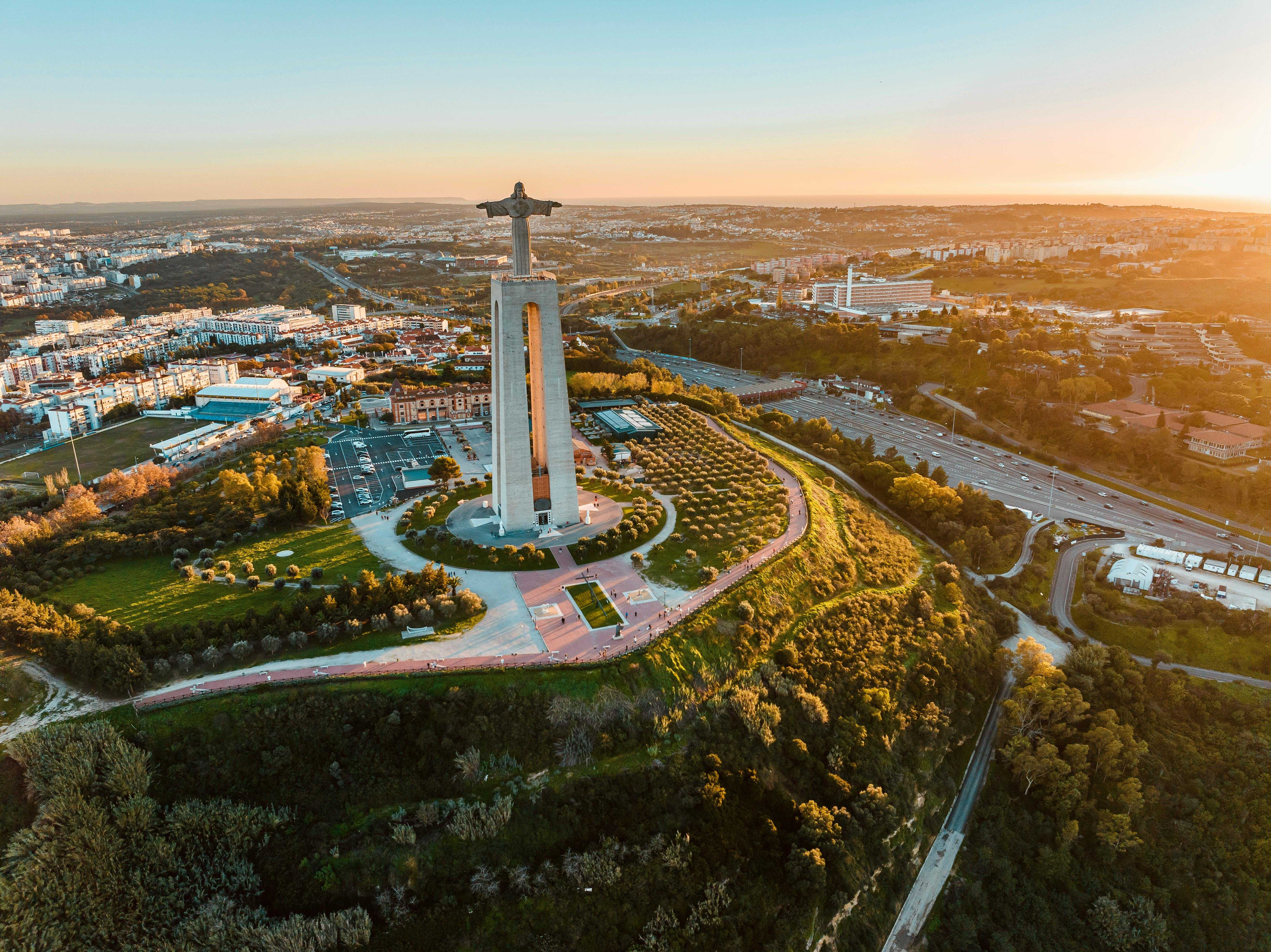
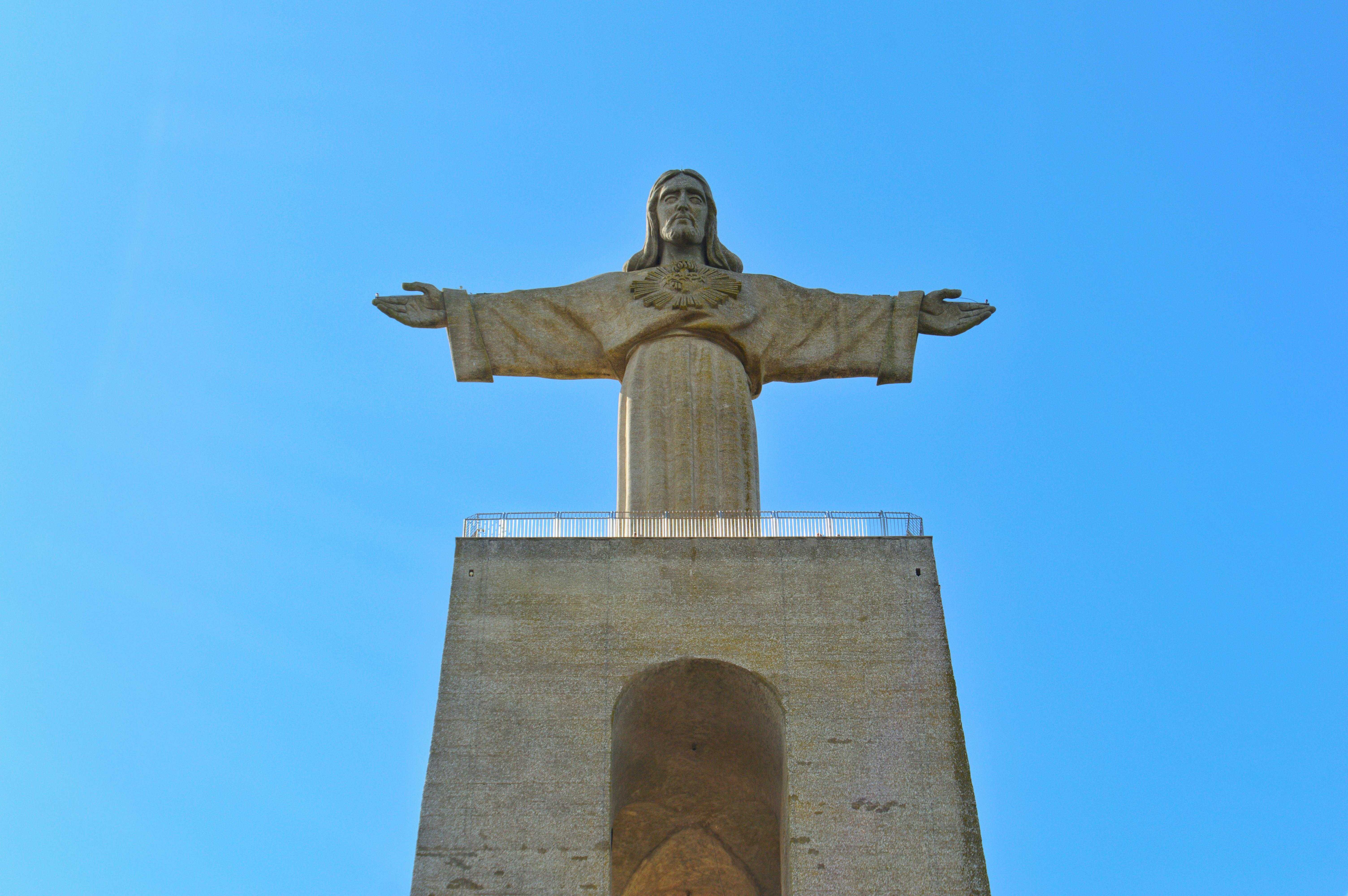
  2. Cristo Rei Statue: One of the most iconic landmarks in Almada is the Cristo Rei (Christ the King) statue, inspired by the Christ the Redeemer statue in Rio de Janeiro, Brazil. Travelers can visit the statue and enjoy panoramic views of Lisbon and the surrounding area from its viewpoint.

  3. Beaches: Almada is home to some beautiful beaches, such as Costa da Caparica, where visitors can relax, sunbathe, and enjoy water sports like surfing and kiteboarding.

  4. Cultural Attractions: Almada has a rich cultural heritage, with historical sites like the Almada Castle and the Casa da Cerca cultural center. Visitors can explore museums, art galleries, and theaters to learn more about the local history and arts scene.

  5. Easy Access to Lisbon: Almada is conveniently located just across the river from Lisbon, making it easy for travelers to explore both cities. Visitors can take a short ferry ride or cross the iconic 25 de Abril Bridge to reach Lisbon and discover its attractions, such as historic neighborhoods, museums, and vibrant nightlife.

Overall, traveling to Almada offers a mix of natural beauty, cultural experiences, and proximity to a major city, making it a great destination for those looking to explore the diverse offerings of the Lisbon area.

What to know

Some potential cons of traveling to Almada, Portugal, include:

  1. Limited public transportation options: Almada may not have as extensive a public transportation system as some larger cities, making it more challenging to get around if you don't have a car.

  2. Less tourist infrastructure: Almada may not have as many tourist amenities and services as more popular tourist destinations in Portugal, which could impact your overall travel experience.

  3. Language barrier: While English is widely spoken in tourist areas of Portugal, you may encounter more difficulty communicating in Almada if you do not speak Portuguese.

  4. Limited nightlife: Almada may not offer as vibrant a nightlife scene as cities like Lisbon, which could be a drawback for travelers looking for lively entertainment options.

  5. Distance from major attractions: While Almada is close to Lisbon and offers beautiful views of the city, it may not be as conveniently located to other popular tourist attractions in Portugal.

Overall, Almada may be a quieter and less developed destination compared to larger cities in Portugal, which could impact your travel experience depending on your preferences and priorities.

I hope this information is helpful!

Almada, located in the Setúbal District of Portugal, is a city with a rich historical background. It is situated on the southern bank of the Tagus River, directly across from Lisbon, the capital of Portugal. Almada has been an important area historically due to its strategic location.

Historical Overview

  • Roman and Moorish Periods: The area around Almada has been inhabited since ancient times. During the Roman era, it was part of the provincial territory, benefiting from the proximity to Lisbon (then known as Olissipo). The Moors later occupied the region, and Almada was known for its defensive fortifications and its strategic position over the Tagus River.

  • Reconquista and the Middle Ages: Almada was recaptured from the Moors in the 12th century during the Reconquista, specifically in 1147, by the forces of King Afonso I of Portugal. Following this, Almada was granted its first charter by King Afonso I, marking its importance as a defense post for Lisbon.

  • Modern Era: Over the centuries, Almada developed as a suburban area for Lisbon, with a significant increase in population and urban development. It became a key area for industrial activities, especially in the 19th and 20th centuries, contributing to the economic growth of the region.

Significant Events and Figures

  • 25th of April Bridge: One of the most significant landmarks associated with Almada is the 25th of April Bridge (Ponte 25 de Abril), which connects the city to Lisbon. Opened in 1966, it is a vital transport link and an engineering marvel of its time.

  • Carnation Revolution: Almada, like much of Portugal, was affected by the Carnation Revolution of 1974, which ended the Estado Novo regime and transitioned the country to democracy. This event had significant social and political impacts on the residents of Almada.

Important Landmarks

  • Sanctuary of Christ the King (Cristo Rei): This iconic monument, inspired by the Christ the Redeemer statue in Rio de Janeiro, was inaugurated in 1959. It stands on a hill in Almada and offers panoramic views of Lisbon and the Tagus River.

  • Castle of Almada: Although not as prominent today, the Castle of Almada has historical significance dating back to the reconquest period. It was part of the defensive system for Lisbon.

  • Caparica Coast: Known for its beautiful beaches, the Costa de Caparica is a popular destination for both locals and tourists, contributing to the cultural and economic life of Almada.

Cultural Influence

Almada has a vibrant cultural scene with numerous festivals, theaters, and cultural centers. It is known for its strong community life and contributions to the arts.

In summary, Almada's history is closely tied to its geographical position as a guardian of Lisbon, its role in Portugal's industrial development, and its cultural contributions to the region.