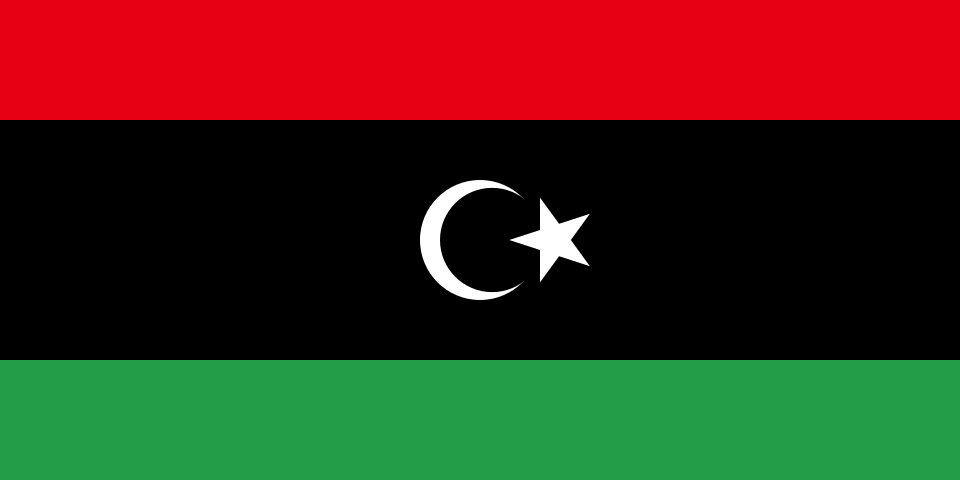
Al Jabal al Gharbī
· LY

Al Jabal al Gharbī

Al Jabal al Gharbī, Libya

Escape to the "Western Mountain": Al Jabal al Gharbi, Libya Craving breathtaking vistas, ancient ruins, and a taste of authentic Berber culture? Look no further than Al Jabal al Gharbi, Libya's majestic "Western Mountain…

#Mountainous terrain#Western region#Libya#Remote location#Natural beauty
1/4

Top hotels & flights

Hand-picked stays and the best fares into Al Jabal al Gharbī.

Top Hotels in Al Jabal al Gharbī

Top Flights to Al Jabal al Gharbī

Popular activities

Tours, tickets and experiences travelers book most in Al Jabal al Gharbī.

Tours

Jebel Nafusa Exploration

Explore the rich history and culture of Jebel Nafusa, a mountain range in western Libya, known for its Berber culture and unique geographical features.

Ghadames Oasis Tour

Discover the ancient oasis town of Ghadames, an UNESCO World Heritage site, known for its labyrinthine architecture and historical significance.

Shopping

Tripoli Medina Shopping Spree

Enjoy a shopping spree in the traditional markets of Tripoli's medina, where you can buy local crafts, spices, and souvenirs.

Outdoor

Nalut Desert Safari

Enjoy an exhilarating desert safari experience in the Nalut region, famous for its dunes and desert landscapes.

Location videos

Real reels from travelers, plus longer watches to get the full picture.

From travelers
Watch & explore

Practical info

The essentials for planning your time in Al Jabal al Gharbī.

Currency
LYD | Libyan Dinar | Libyan Dinar
Population
Not Available
Languages
Arabic, English

Local guide

What travelers love, what to watch for, and a deeper read on Al Jabal al Gharbī.

What people love

Information not available.

What to know

Traveling to Al Jabal al Gharbī in Libya can present several challenges and potential cons:

  1. Safety Concerns: Libya has experienced significant political instability and conflict since the 2011 uprising. This has led to ongoing security concerns, including armed clashes, terrorist activity, and crime. Travelers may face risks related to these issues, and many governments advise against all travel to Libya.

  2. Infrastructure: The infrastructure in Libya, including roads, healthcare facilities, and services, has been damaged or is underdeveloped in some areas due to years of conflict. This can make travel more difficult and potentially unsafe.

  3. Travel Restrictions: Due to security concerns, many countries have restrictions on travel to Libya, and obtaining a visa can be challenging. Additionally, flights to and from Libya may be limited.

  4. Cultural Sensitivity: As with any travel to a different cultural region, it is important to be aware of and respect local customs and traditions. In Libya, this includes understanding the cultural norms related to dress, behavior, and interactions.

  5. Lack of Tourist Infrastructure: Tourist facilities such as hotels, restaurants, and guided tours may be limited in Al Jabal al Gharbī compared to more established tourist destinations. This can make travel logistics more challenging.

  6. Communication Barriers: Language barriers may exist, as Arabic is the official language of Libya. Travelers who do not speak Arabic may find communication challenging.

  7. Health Risks: Access to healthcare facilities may be limited, and the quality of care can vary. Travelers should ensure they have adequate travel insurance and are up to date on vaccinations.

Given these challenges, it is important for travelers to thoroughly research and plan their trip, consider safety advisories from their home country, and be prepared for potential difficulties.

Al Jabal al Gharbī, translated as "The Western Mountain," is a region in northwestern Libya. The area is known for its mountainous terrain and its rich cultural and historical significance, particularly in the context of Libya's recent history.

Historical Background

  1. Ancient Times:

    • The region has been inhabited since ancient times, with evidence of Berber settlements. The Berbers, or Amazigh, are the indigenous people of North Africa, and their presence in the Jabal al Gharbī area dates back thousands of years.
  2. Islamic and Ottoman Periods:

    • With the spread of Islam, the region became part of the Islamic caliphates. During the Ottoman period, it was incorporated into their territories, with local governance often remaining in the hands of tribal leaders.
  3. Italian Colonization:

    • In the early 20th century, Libya, including Al Jabal al Gharbī, was colonized by Italy. The Italians attempted to suppress local resistance, but the mountainous terrain provided a stronghold for Libyan fighters, notably the Senussi Order, who resisted Italian rule.
  4. Libyan Independence:

    • After World War II, Libya gained independence in 1951. The Jabal al Gharbī region continued to be an important area due to its strategic location and agricultural potential.

Recent History

  1. The Gaddafi Era:

    • Under Muammar Gaddafi's regime (1969-2011), the region experienced various developments, but also suppression, especially towards any form of dissent. The Amazigh population, in particular, faced cultural and linguistic repression.
  2. 2011 Libyan Civil War:

    • Al Jabal al Gharbī played a crucial role during the Libyan Civil War. The region saw significant anti-Gaddafi uprisings, and its towns and cities, such as Zintan, became key centers of resistance. The mountainous terrain again provided strategic advantages for rebel forces.
  3. Post-Gaddafi Era:

    • After the fall of Gaddafi, the region, like much of Libya, faced challenges of instability and conflict among various factions. However, local councils and tribal leaders have worked towards maintaining order and governance.

Important Landmarks and Cultural Significance

  • Zintan:

    • One of the major towns in Al Jabal al Gharbī, Zintan is known for its role in the 2011 revolution. It has been a center of political and military power in the post-Gaddafi era.
  • Traditional Berber Architecture:

    • The region is known for its traditional Berber architecture, which includes fortified granaries and homes built into the mountainsides.
  • Cultural Heritage:

    • Al Jabal al Gharbī is rich in Amazigh culture, with efforts to revive and preserve the Amazigh language and traditions gaining momentum after the fall of Gaddafi.

Notable Figures

  • Local Leaders:
    • Various tribal and local leaders from the region have been influential in both the resistance against Italian colonization and the 2011 revolution. Specific names are often less documented in historical records, due to the oral tradition of the Amazigh culture.

Current Challenges

  • Governance and Security:

    • Post-2011, the region has faced challenges in terms of governance and security, with different factions vying for control. However, local governance structures have been relatively more stable compared to other parts of Libya.
  • Economic Development:

    • The region's economy relies on agriculture and trade, but ongoing national instability has impacted economic development.

In summary, Al Jabal al Gharbī has a rich history shaped by its strategic location and cultural heritage. It continues to play a significant role in Libya's ongoing political and social dynamics.

Information not available for more specific historical figures and detailed events beyond the general historical context provided.