
Alegre
· BR

Alegre

Alegre, Espirito Santo, Brazil

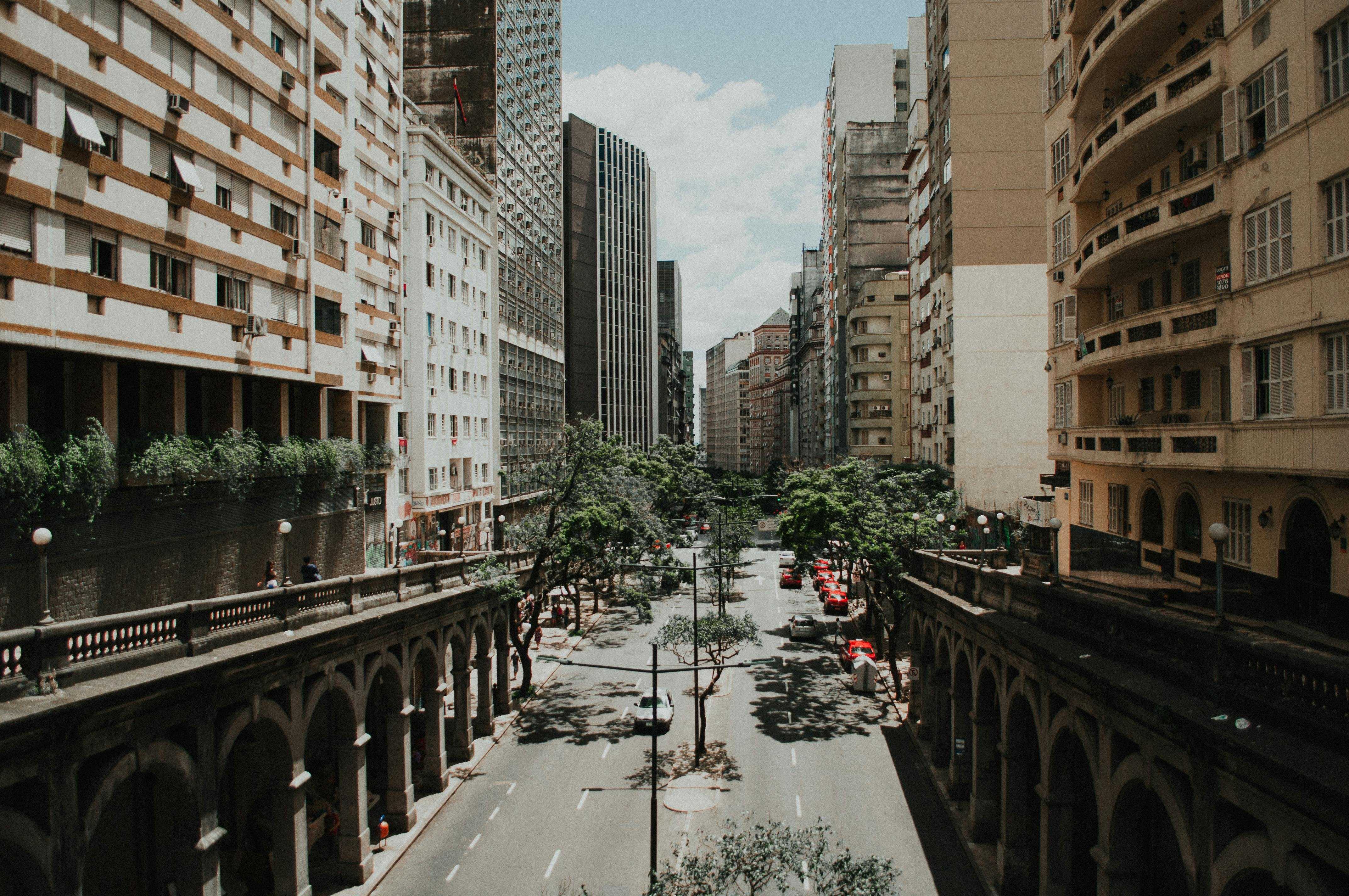
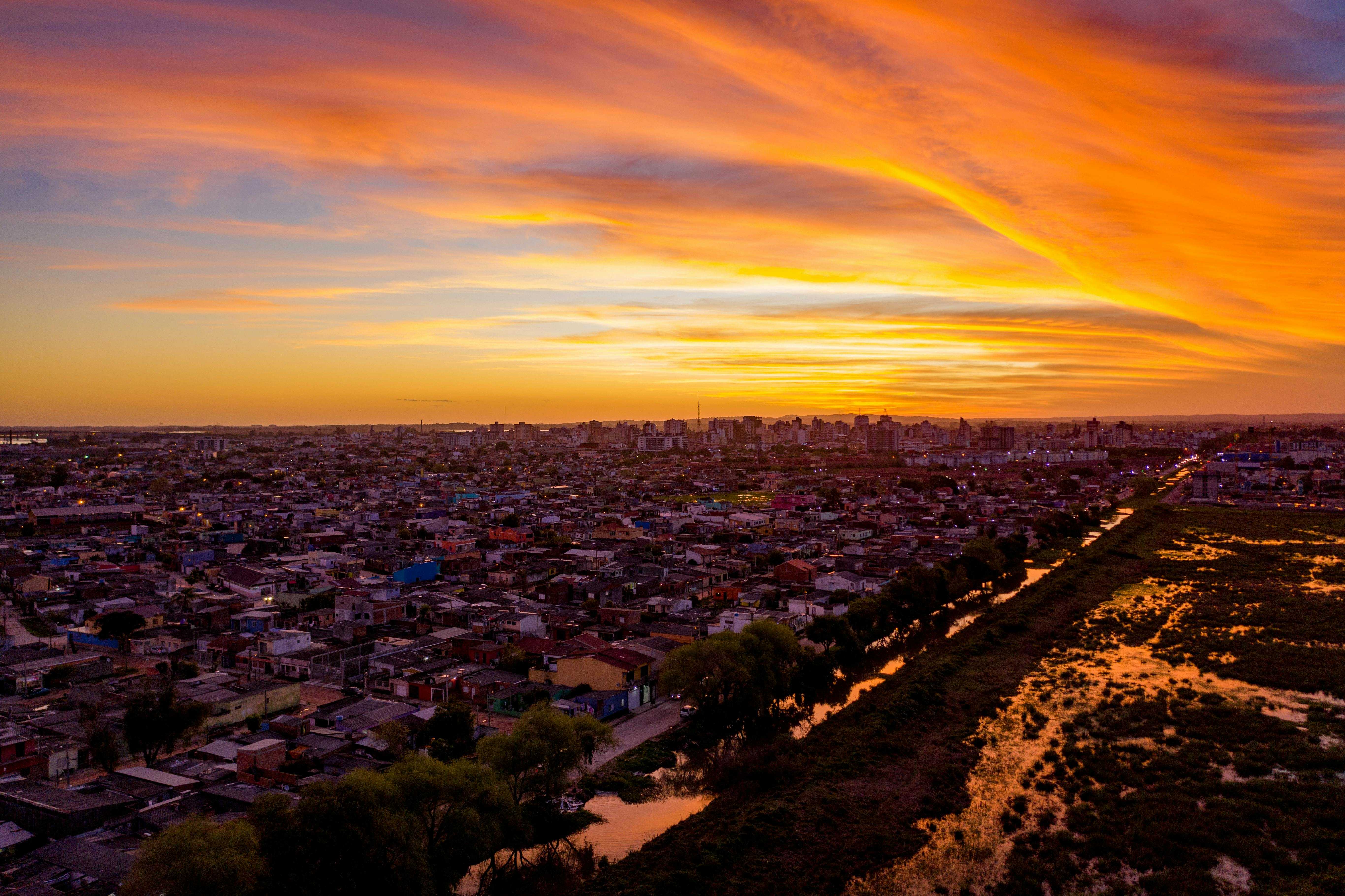
Alegre, located in the state of Espírito Santo, Brazil, is a charming town that offers a delightful mix of natural beauty, cultural richness, and historical significance. Nestled amidst lush greenery and rolling hills, A…

#Alegre#Espírito Santo#Brazil#scenic views#tourist destination
1/8

Top hotels & flights

Hand-picked stays and the best fares into Alegre.

Top Hotels in Alegre

Top Flights to Alegre

Location videos

Real reels from travelers, plus longer watches to get the full picture.

From travelers
Watch & explore

Practical info

The essentials for planning your time in Alegre.

Currency
R$ | BRL | Brazilian Real
Population
Not Available
Languages
Portuguese, Portuguese
Average weather
Alegre
Jan
rain
30°20°
Feb
rain
30°20°
Mar
rain
29°19°
Apr
rain
28°18°
May
cloud
26°16°
Jun
cloud
25°15°
Jul
cloud
25°14°
Aug
cloud
26°15°
Sep
sun
27°16°
Oct
sun
28°18°
Nov
rain
29°19°
Dec
rain
30°20°

Local guide

What travelers love, what to watch for, and a deeper read on Alegre.

What people love

Alegre, located in the state of Espírito Santo, Brazil, offers a variety of attractions and activities that make it a great destination for travelers. Some of the pros of traveling to Alegre include:

  1. Natural beauty: Alegre is surrounded by stunning natural landscapes, including mountains, rivers, and forests. Visitors can enjoy hiking, bird watching, and other outdoor activities in the area.

  2. Rich cultural heritage: Alegre has a rich cultural heritage, with historic buildings, churches, and museums that showcase the region's history and traditions. Travelers can learn about the local culture and history while exploring the town.

  3. Local cuisine: Alegre is known for its delicious local cuisine, which features fresh seafood, tropical fruits, and traditional Brazilian dishes. Visitors can enjoy a variety of culinary delights while experiencing the flavors of the region.

  4. Warm hospitality: The people of Alegre are known for their warm hospitality and friendly demeanor. Travelers can expect to be welcomed with open arms and treated with kindness and respect during their stay in the town.

Overall, traveling to Alegre offers a unique opportunity to experience the beauty, culture, and hospitality of this charming town in Espírito Santo, Brazil.

What to know

Traveling to Alegre, located in Espírito Santo, Brazil, may have some cons that visitors should be aware of:

  1. Limited public transportation: Alegre is a smaller city in Brazil, so public transportation options may be limited compared to larger cities. This could make it more challenging to get around the city and surrounding areas without access to a car.

  2. Language barrier: While Portuguese is the official language of Brazil, not everyone in Alegre may be fluent in English or other languages commonly spoken by tourists. This could make communication and navigating the city more difficult for travelers who do not speak Portuguese.

  3. Limited tourist infrastructure: Alegre is not a major tourist destination in Brazil, so the city may have limited tourist infrastructure such as hotels, restaurants, and tourist services. Visitors may find fewer options for accommodations and activities compared to more popular tourist destinations in the country.

  4. Safety concerns: As with any travel destination, visitors should be aware of safety concerns in Alegre. While the city is generally considered safe, travelers should take precautions to protect themselves and their belongings, especially in crowded or tourist areas.

  5. Limited amenities: Alegre may not have as many amenities and facilities as larger cities in Brazil. Visitors may find fewer shopping options, entertainment venues, and cultural attractions compared to cities like Rio de Janeiro or São Paulo.

It's important to research and plan your trip to Alegre carefully to ensure a smooth and enjoyable travel experience.

Alegre is a municipality located in the southern part of the state of Espírito Santo, Brazil. Here is a detailed history and overview of Alegre, including its significant events, historical figures, and important landmarks:

Historical Background

  1. Founding and Early History: Alegre was founded on November 11, 1890. The region was originally inhabited by Indigenous peoples before European settlers arrived. The town developed primarily due to agriculture and its strategic location in the state.

  2. Colonial Influence: Like much of Brazil, Alegre was influenced by Portuguese colonization. The area saw the establishment of farms and plantations, which contributed to its growth.

  3. Economic Development: Throughout the 19th and 20th centuries, agriculture remained the backbone of Alegre's economy, with coffee being a significant crop. The municipality later diversified into other agricultural products and small-scale industries.

Significant Events

  1. Municipal Incorporation: The incorporation of Alegre as a municipality in 1890 marked its official recognition and development as an administrative region within Espírito Santo.

  2. Economic Shifts: In the 20th century, the decline of coffee prices led to economic shifts, prompting diversification in agricultural practices and more focus on education and services.

Historical Figures

  1. Local Leaders: Various local leaders have contributed to the development of Alegre through political, economic, and social initiatives. However, specific historical figures of national prominence from Alegre are not widely recognized in broader Brazilian history.

Important Landmarks

  1. Church of Our Lady of Penha: This church is a significant religious and cultural landmark in Alegre, reflecting the historical and architectural heritage of the town.

  2. University Center (Centro Universitário Sul de Espírito Santo - UNISULCAP): This institution plays a crucial role in education and research in the region, contributing to local development and attracting students from surrounding areas.

  3. Natural Attractions: Alegre is known for its picturesque landscapes, including hills, waterfalls, and natural reserves. These natural features are significant for tourism and local recreation.

Cultural Aspects

  • Festivals and Traditions: Alegre hosts various local festivals and cultural events that reflect the traditions and customs of the region, often tied to religious and agricultural practices.

Conclusion

Alegre, Espírito Santo, has a rich cultural and agricultural history, characterized by its development from a small settlement to a municipality with a diverse economy and educational presence. While it may not have national historical figures of wide renown, its local leaders and institutions have played pivotal roles in its growth and development.

Information provided is based on available historical and cultural records.