
Alberobello
· IT

Alberobello

Alberobello, Puglia, Italy

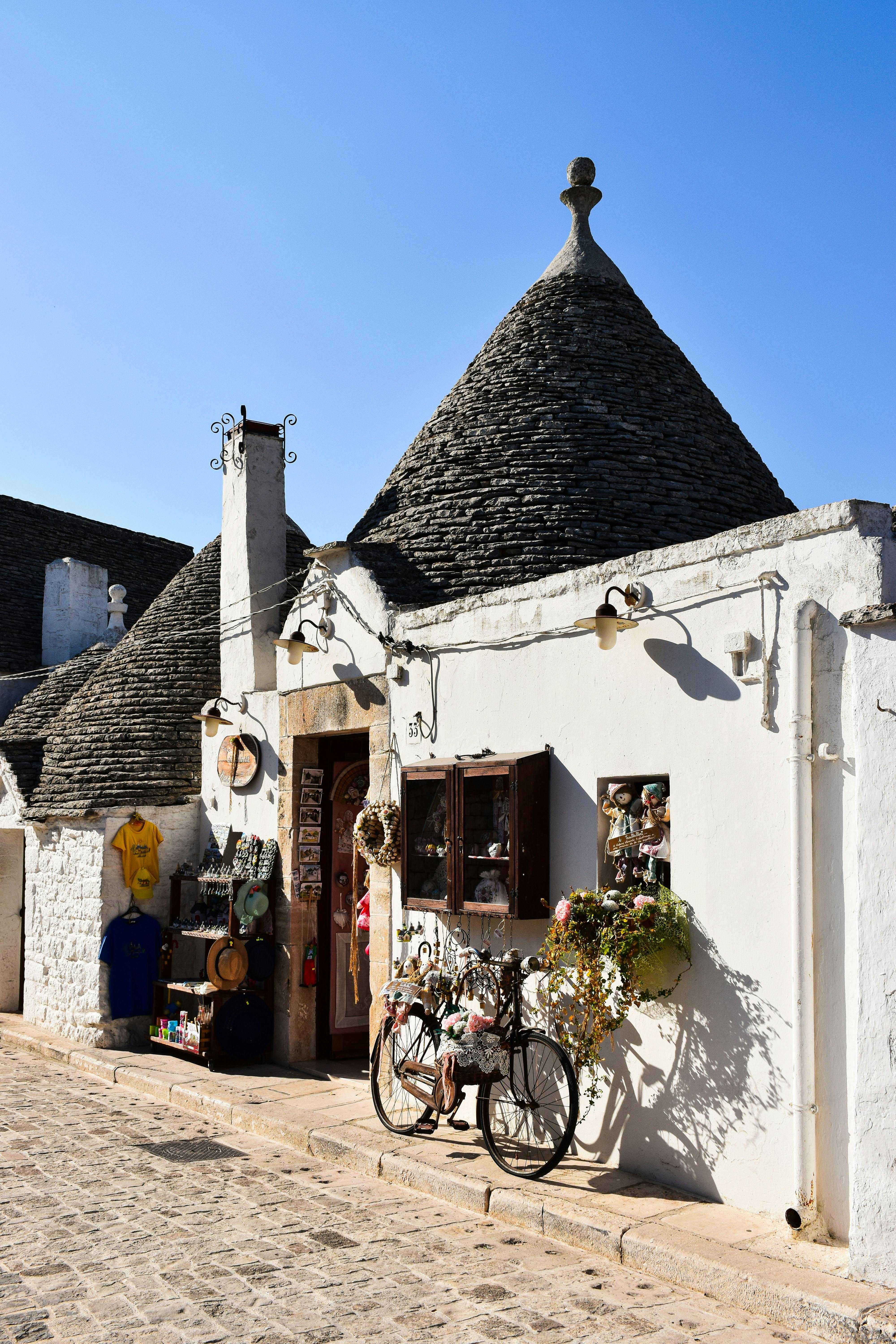
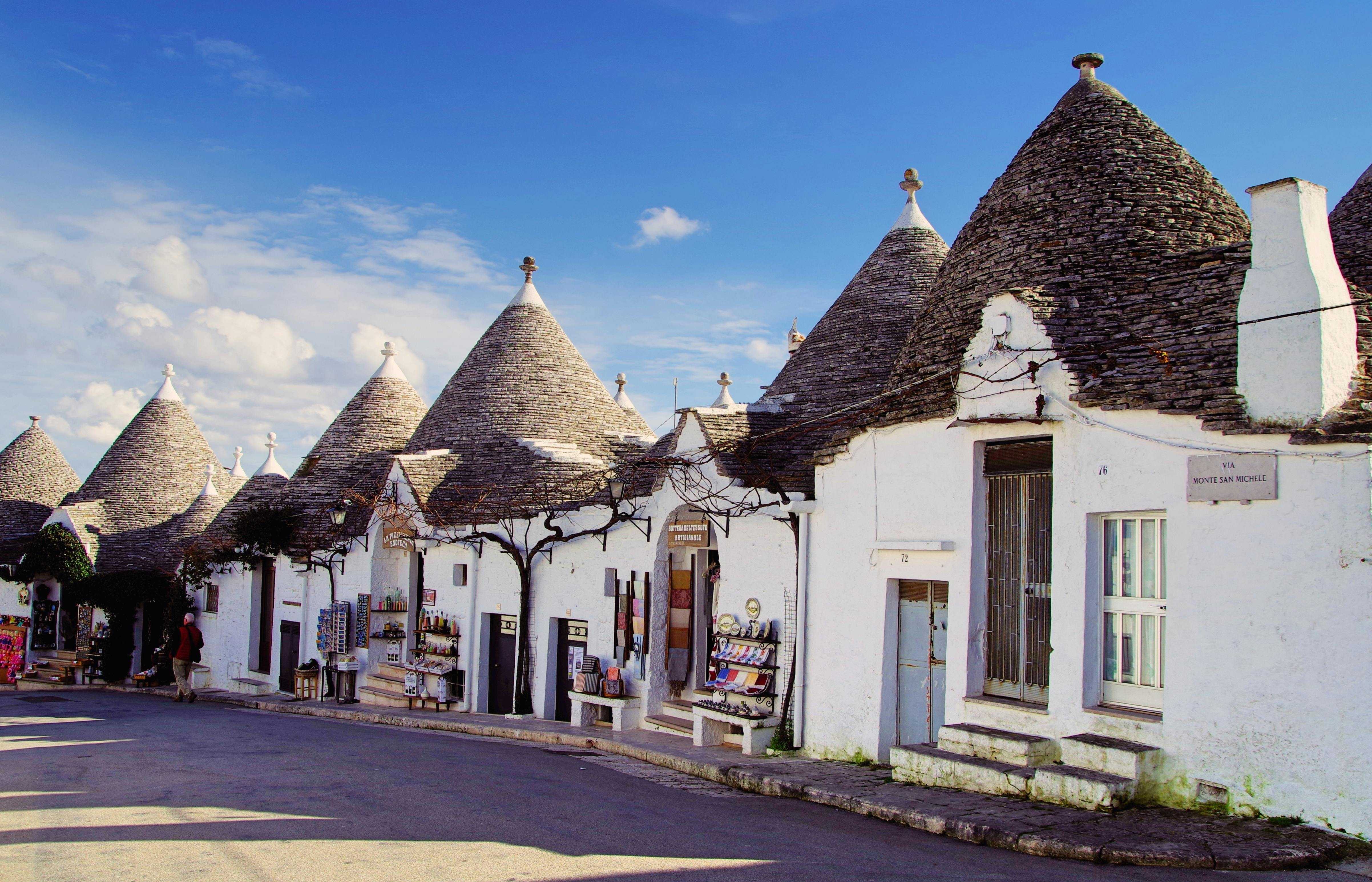
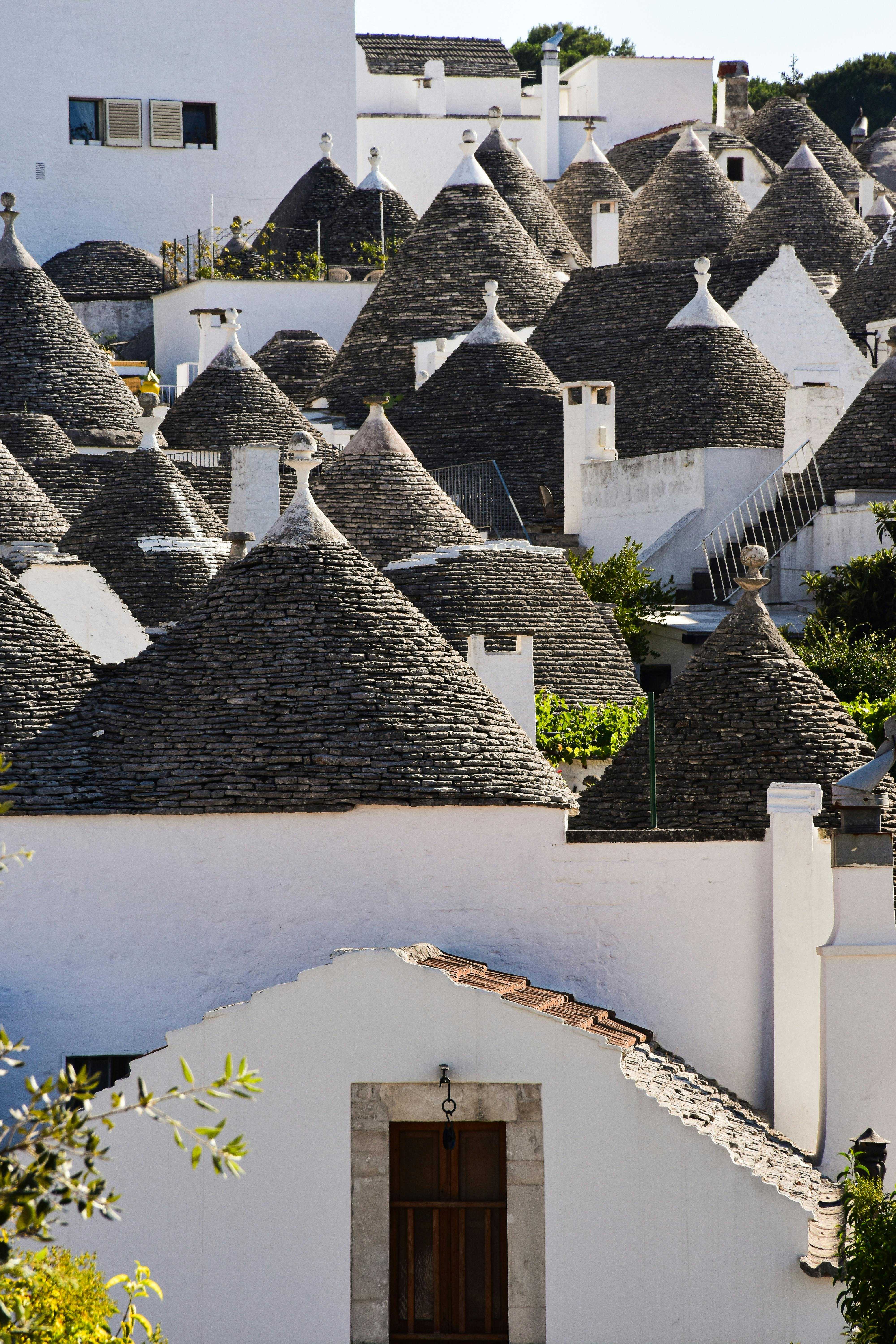
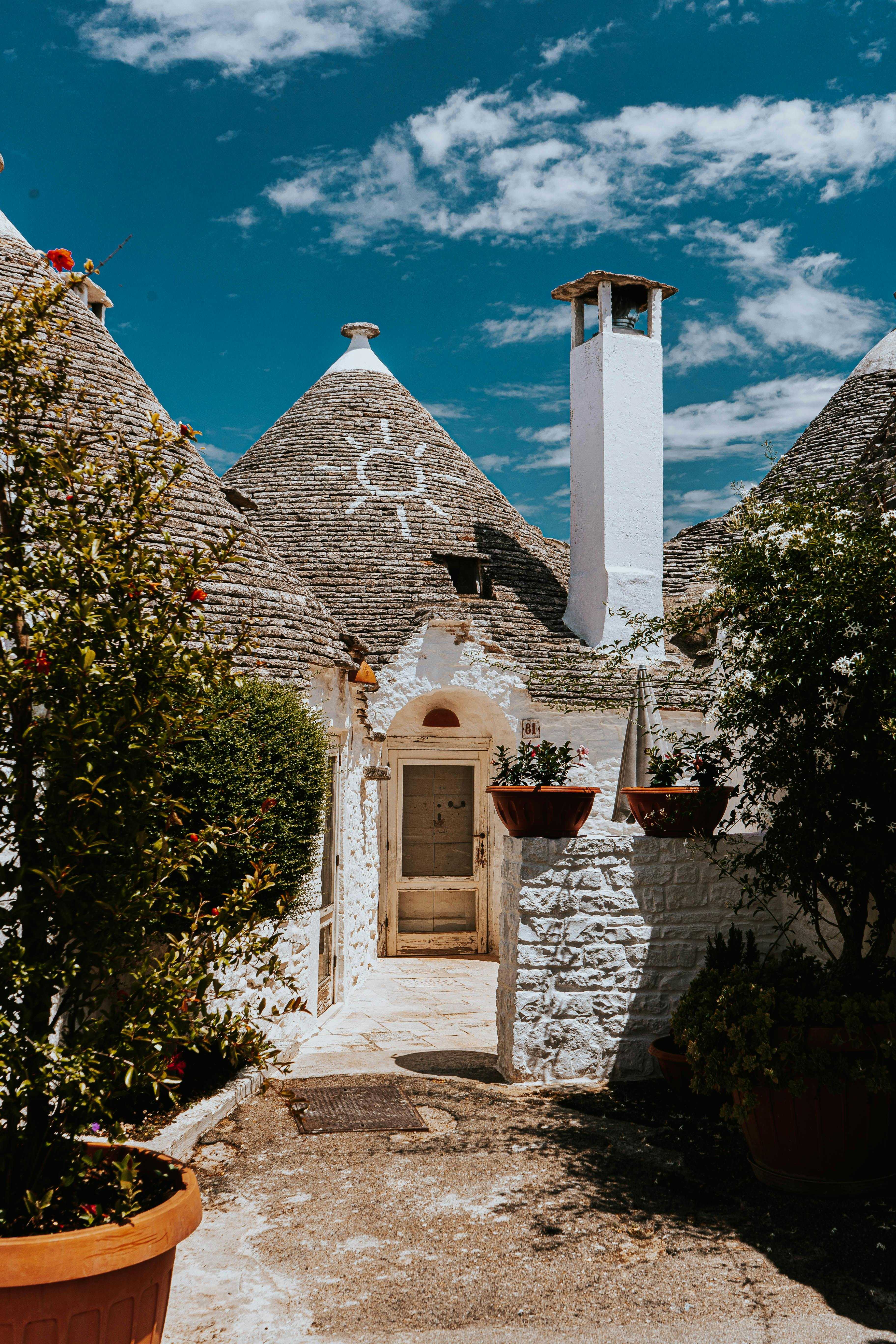
Alberobello, located in the picturesque region of Puglia, Italy, is a charming town famous for its unique trulli houses, making it a must-visit destination for travelers seeking a blend of history, culture, and beauty. T…

#Trulli houses#UNESCO World Heritage Site#Historic architecture#Southern Italy#Tourist destination
1/10

Top hotels & flights

Hand-picked stays and the best fares into Alberobello.

Top Hotels in Alberobello

Top Flights to Alberobello

Location videos

Real reels from travelers, plus longer watches to get the full picture.

From travelers
Watch & explore

Practical info

The essentials for planning your time in Alberobello.

Currency
€ | EUR | Euro
Population
Not Available
Languages
Italian, Italian
Average weather
Alberobello
Jan
rain
9°4°
Feb
rain
10°4°
Mar
cloud
13°6°
Apr
cloud
16°8°
May
sun
21°12°
Jun
sun
25°16°
Jul
hot
28°19°
Aug
hot
28°19°
Sep
sun
25°17°
Oct
cloud
20°13°
Nov
rain
15°9°
Dec
rain
11°5°

Local guide

What travelers love, what to watch for, and a deeper read on Alberobello.

What people love

Alberobello in Puglia, Italy is a unique and picturesque destination that offers several pros for travelers:

  1. Trulli Houses: Alberobello is famous for its trulli houses, which are traditional Apulian dry stone huts with conical roofs. These UNESCO World Heritage site structures are a sight to behold and provide a glimpse into the region's history and architecture.

  2. Charming Atmosphere: The town has a charming and quaint atmosphere with narrow streets, white-washed buildings, and historic churches. Walking through the streets of Alberobello feels like stepping back in time.

  3. Local Cuisine: Puglia is renowned for its delicious food, and Alberobello is no exception. Visitors can sample traditional dishes such as orecchiette pasta, burrata cheese, and fresh seafood at local restaurants and trattorias.

  4. Wine Tasting: Puglia is also known for its wine production, and Alberobello offers opportunities for wine tasting tours at nearby vineyards. Visitors can taste local wines such as Primitivo and Negroamaro.

  5. Day Trips: Alberobello is well-located for day trips to other charming towns in Puglia such as Ostuni, Martina Franca, and Polignano a Mare. These towns offer further opportunities to explore the region's culture, history, and cuisine.

  6. Festivals and Events: Throughout the year, Alberobello hosts various festivals and events celebrating local traditions, food, and music. These events provide a unique insight into the region's culture and are a fun way to experience the local way of life.

Overall, traveling to Alberobello in Puglia, Italy offers a mix of unique architecture, delicious food, cultural experiences, and opportunities for exploration in a beautiful and historic setting.

What to know

Some potential cons of traveling to Alberobello in Puglia, Italy, could include:

  1. Crowds: Alberobello is a popular tourist destination, especially during the peak travel seasons. This means that the town can get quite crowded, which may take away from the overall experience and make it difficult to fully enjoy the sights and attractions.

  2. High prices: As a tourist hotspot, prices in Alberobello may be higher compared to other parts of Puglia. This could include accommodations, dining, and souvenirs, leading to a more expensive trip overall.

  3. Limited public transportation: While Alberobello is well-connected by road, public transportation options within the town itself may be limited. This could make it challenging to explore the surrounding areas without a car, and parking in the town center can be difficult to find during peak times.

  4. Weather: Like much of southern Italy, Puglia can experience hot and dry summers, which may not be ideal for everyone. The weather can be intense, especially during the peak tourist season, so visitors should be prepared for high temperatures and plan accordingly.

  5. Language barrier: While many locals in Alberobello may speak some English, particularly in tourism-related businesses, there could still be some language barrier issues, especially if you venture off the beaten path or interact with locals who do not speak English fluently.

Overall, while Alberobello is a beautiful and unique destination to visit, it's important to consider these potential cons to have a more informed and enjoyable travel experience.

Alberobello is a small town located in the region of Puglia, Italy, known for its unique trulli structures, which are traditional Apulian dry stone huts with conical roofs. The town's history is fascinating, marked by its distinctive architecture and its journey from a feudal hamlet to a recognized cultural site.

Early History

Alberobello's origins can be traced back to the 14th century when it was part of the feudal estate of the Acquaviva family, who were the Counts of Conversano. The area was initially sparsely populated, primarily used for agriculture. The name "Alberobello" is believed to derive from the medieval Latin "Sylva Arboris Belli," meaning "wood of the war tree." The area was heavily forested until it was cleared for cultivation.

Development of Trulli

The trulli houses, for which Alberobello is famous, began to be constructed in the 16th century. The Count of Conversano at the time, Giangirolamo II, encouraged the construction of trulli as a cunning strategy to avoid paying taxes to the Spanish Viceroy of Naples. By building homes without mortar, they could be easily dismantled when tax inspectors were in the area, thus avoiding the imposition of a "property tax." This led to the proliferation of these unique structures in Alberobello.

Feudal Struggles and Royal Recognition

The residents of Alberobello lived under the feudal system until the late 18th century. In 1797, during the reign of King Ferdinand IV of Naples, the inhabitants of Alberobello successfully petitioned to be freed from feudal rule, leading to the town being granted royal recognition. On May 27, 1797, Alberobello was declared a royal town by King Ferdinand IV, marking its liberation from the feudal control of the Acquaviva family.

Modern Developments

In the 20th century, Alberobello began to gain recognition for its cultural and architectural significance. In 1996, the town's trulli were designated as a UNESCO World Heritage Site. This recognition helped to preserve the trulli and boost tourism in the area, making Alberobello a popular destination for visitors interested in history and architecture.

Landmarks

  • Trullo Sovrano: The largest trullo in Alberobello, the Trullo Sovrano, was built in the late 18th century and is a museum today, showcasing the interior of a traditional trullo.
  • Rione Monti: This is the most famous district in Alberobello, featuring over a thousand trulli. It's a picturesque area with narrow streets and stone buildings.
  • Rione Aia Piccola: A quieter district compared to Rione Monti, it offers an authentic experience of trulli living, with many still being used as private residences.
  • Basilica of Saints Cosmas and Damian: This is the main church in Alberobello, dedicated to the town's patron saints, and it is an important spiritual and cultural site.

Alberobello remains a symbol of architectural ingenuity and cultural heritage, attracting visitors from around the world to experience its unique charm and history.