Top hotels & flights
Hand-picked stays and the best fares into Água Grande.
Top Hotels in Água Grande
Top Flights to Água Grande
Location videos
Real reels from travelers, plus longer watches to get the full picture.
Practical info
The essentials for planning your time in Água Grande.
Local guide
What travelers love, what to watch for, and a deeper read on Água Grande.
What people love
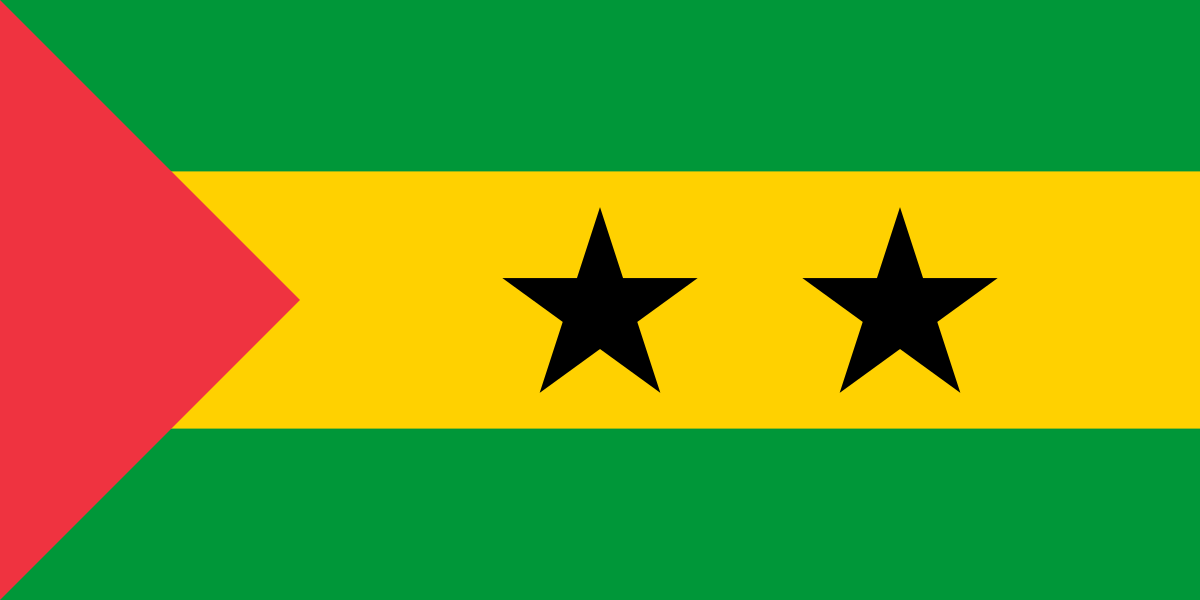
Água Grande is the capital city of São Tomé and Príncipe, located on the island of São Tomé. Traveling to Água Grande offers a unique and enriching experience for visitors. Here are some of the pros of traveling to Água Grande:
-
Rich History and Culture: Água Grande is a city with a rich history and vibrant culture. Visitors can explore historical sites such as the Presidential Palace, the Cathedral of São Tomé, and the Fort São Sebastião. The city also has a lively arts and music scene, with traditional music and dance performances often taking place.
-
Beautiful Beaches: São Tomé and Príncipe is known for its stunning beaches, and Água Grande is no exception. Visitors can relax on the sandy shores, swim in the crystal-clear waters, and enjoy water sports such as snorkeling and diving.
-
Local Cuisine: Água Grande offers a variety of dining options where visitors can sample delicious local cuisine. Seafood is a specialty in São Tomé and Príncipe, with fresh fish and seafood dishes being a highlight of the local food scene.
-
Natural Beauty: The city of Água Grande is surrounded by lush tropical vegetation and stunning landscapes. Visitors can explore the lush rainforests, hike to waterfalls, and spot unique flora and fauna in the area.
-
Friendly Locals: The people of São Tomé and Príncipe are known for their warmth and hospitality. Visitors to Água Grande can expect to be greeted with a friendly smile and welcoming attitude wherever they go.
Overall, traveling to Água Grande in São Tomé and Príncipe offers a mix of history, culture, natural beauty, and warm hospitality, making it a fantastic destination for those looking to explore a unique and off-the-beaten-path location.
What to know
Água Grande is a district in São Tomé and Príncipe, an island nation located in the Gulf of Guinea, off the western coast of Central Africa. While São Tomé and Príncipe is known for its natural beauty, rich culture, and tranquil environment, there are some potential drawbacks to consider when traveling to Água Grande or the country in general:
-
Limited Infrastructure: São Tomé and Príncipe is a small country with limited infrastructure. Roads outside the main city areas can be in poor condition, making travel around the island challenging. Public transportation options are also limited.
-
Healthcare Facilities: Medical facilities in São Tomé and Príncipe are limited, particularly outside the capital. There may be a lack of specialized medical care and emergency services, which could be a concern for travelers with specific health needs.
-
Language Barrier: The official language of São Tomé and Príncipe is Portuguese. While some people may speak English or French, especially in tourist areas, language barriers can still pose challenges for communication.
-
Limited Connectivity: Internet and mobile phone connectivity may not be as reliable or fast as travelers might expect, particularly outside urban areas. This can be a drawback for those needing to stay connected for work or personal reasons.
-
Weather and Climate: The climate is tropical, with a wet season that can bring heavy rains and potential travel disruptions. The wet season typically lasts from October to May, which might affect travel plans.
-
Economic Conditions: The country has a relatively low level of economic development, which can impact the availability and quality of goods and services, including accommodations, dining, and shopping options.
-
Safety Concerns: While São Tomé and Príncipe is generally considered safe, petty crime such as pickpocketing can occur, especially in tourist areas. Travelers should take standard precautions to safeguard their belongings.
-
Limited Tourist Infrastructure: While the country is developing its tourism sector, there may be fewer options for organized tours and activities compared to more established tourist destinations.
These cons are balanced by the country's unique attractions, including its pristine beaches, rich biodiversity, and cultural heritage. However, travelers should weigh these factors when planning a visit to Água Grande or other parts of São Tomé and Príncipe.